………….Welcome To My Sewing Room (This post contains affiliate links)
Sewing World News~
My Style Maker Fabrics Haul!
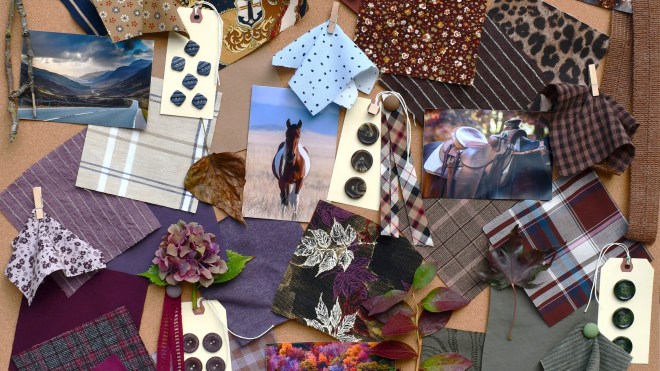
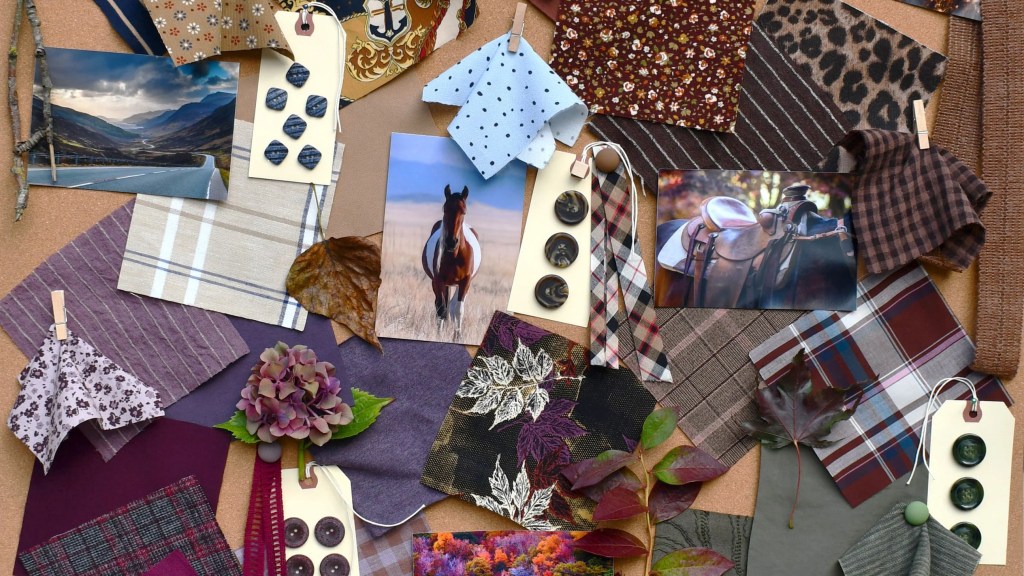
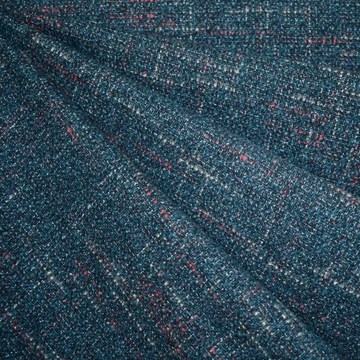
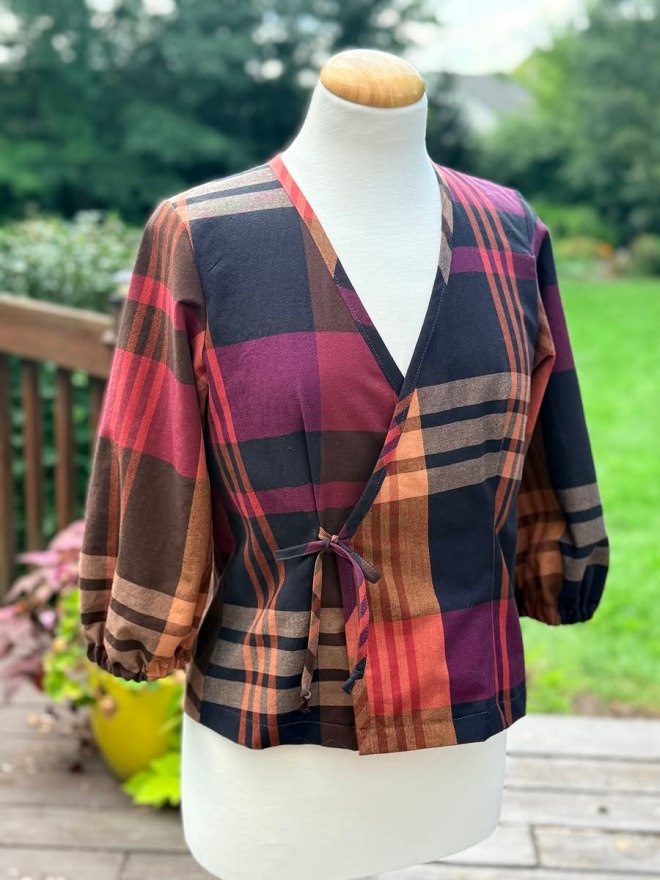
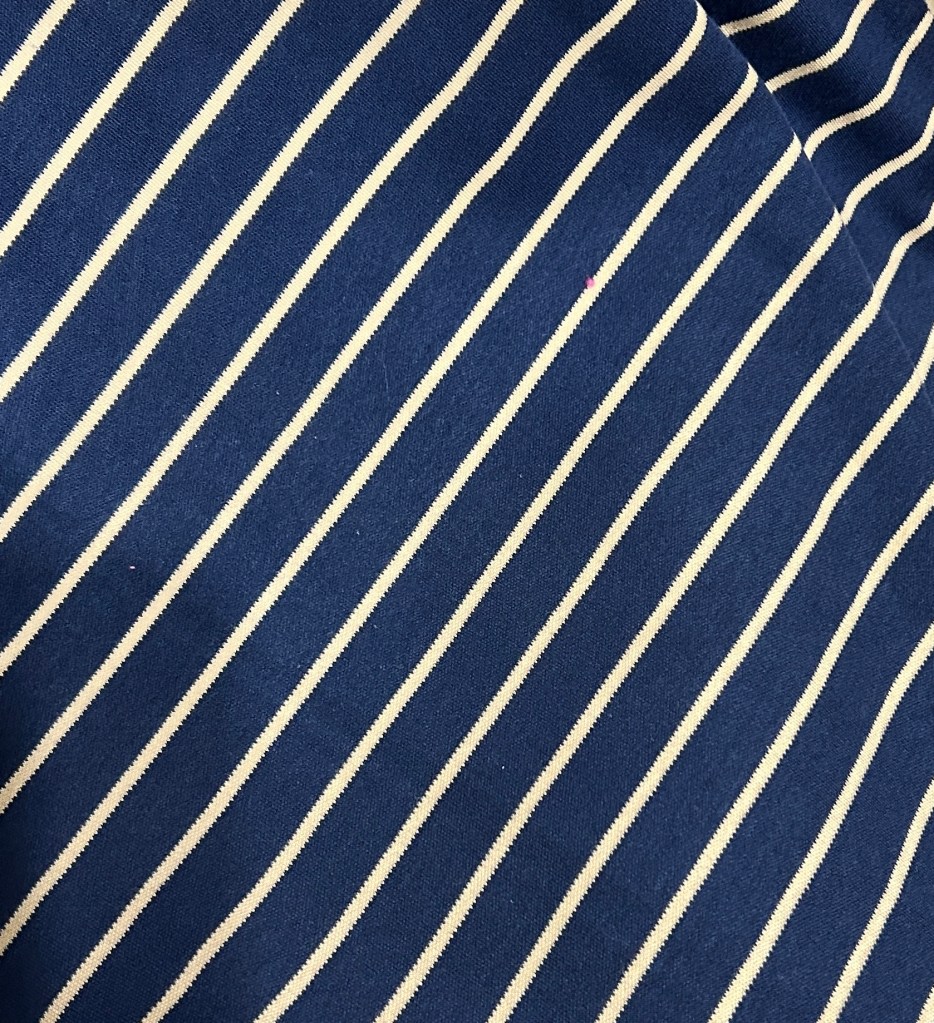
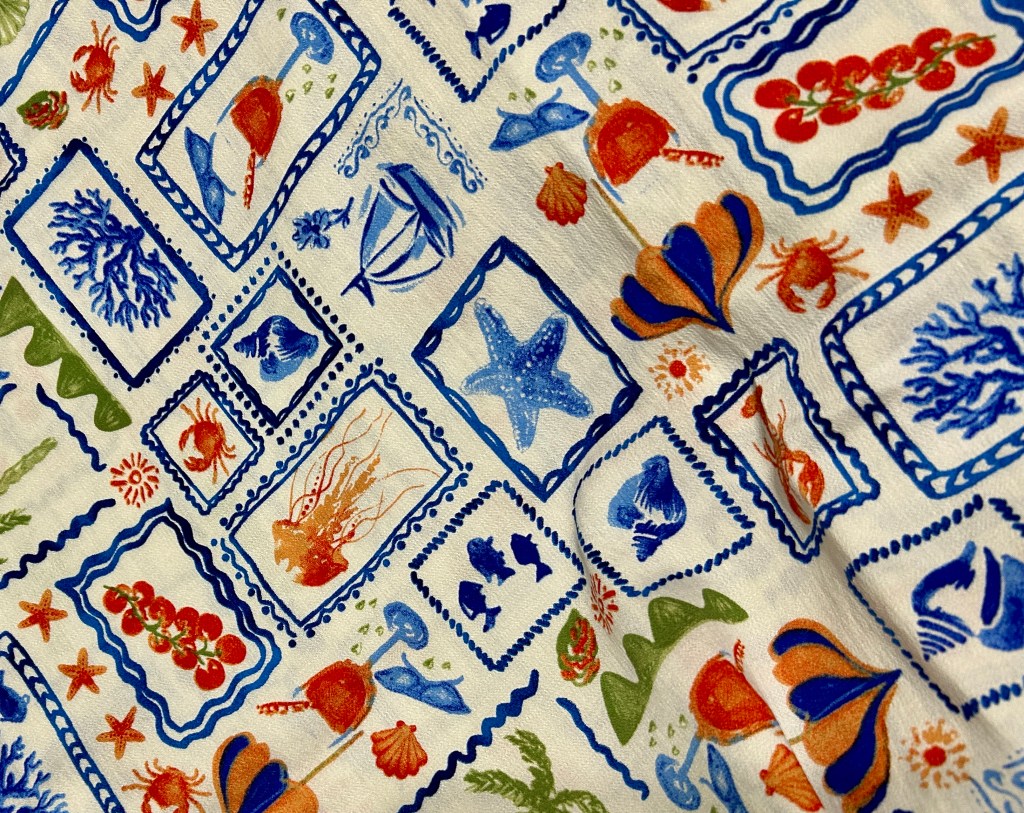
My Style Maker Fabrics Fall Release order arrived on Saturday! I always love the fabrics I purchase from them~ but this year seeing them in person really blew me away! They are so beautiful! Some of them I plan on sewing up this Fall~ but I’m there are a few pieces I will be taking my time to make sure I pick the perfect pattern before cutting into them.
If you are truly looking for beautiful high quality fabrics this is a shop you need to try! Yes, some fabrics aren’t bargains~ but when it comes to fabric~ you get what you pay for! I suggest signing up for their newsletter. Upon doing so if you give your birthday, you receive a 20% coupon code to use on one order during your birthday month. I’m so lucky that I have a September birthday~ so I always use my coupon for the Fall release!
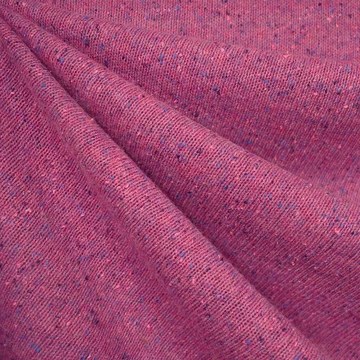
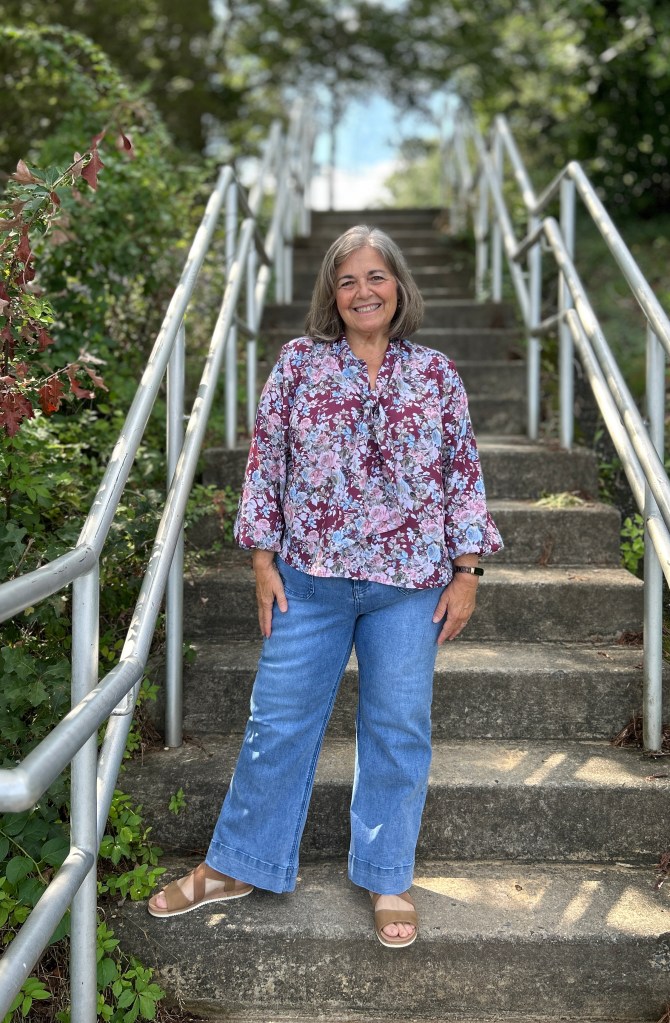
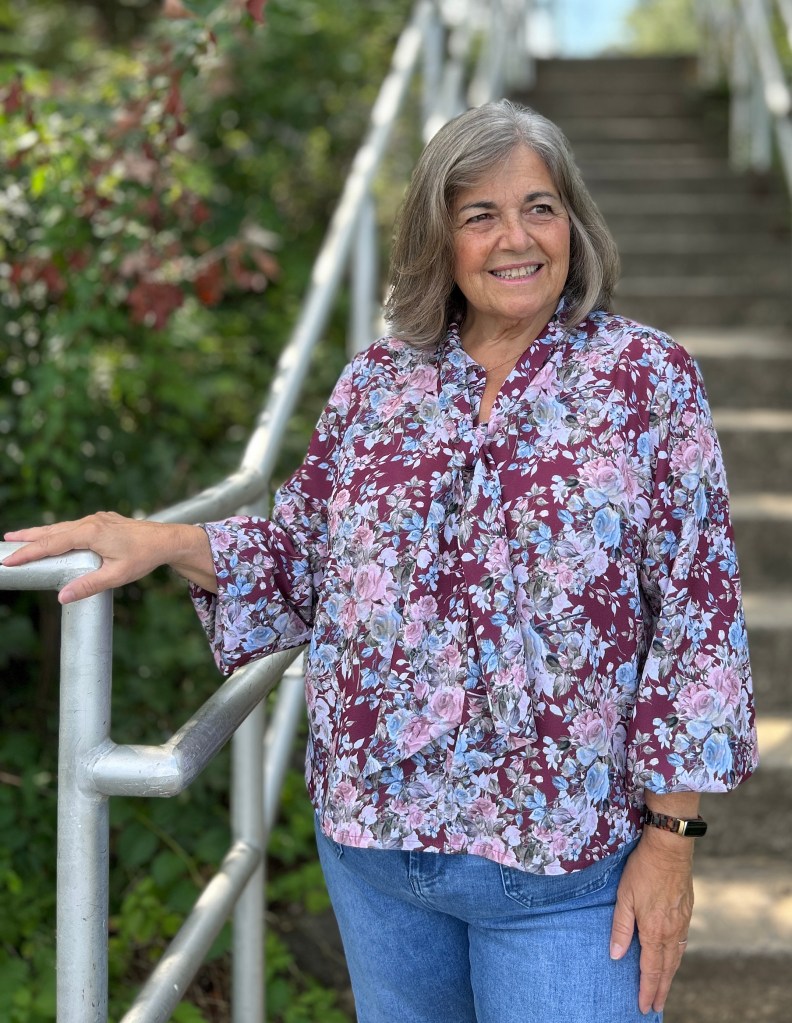
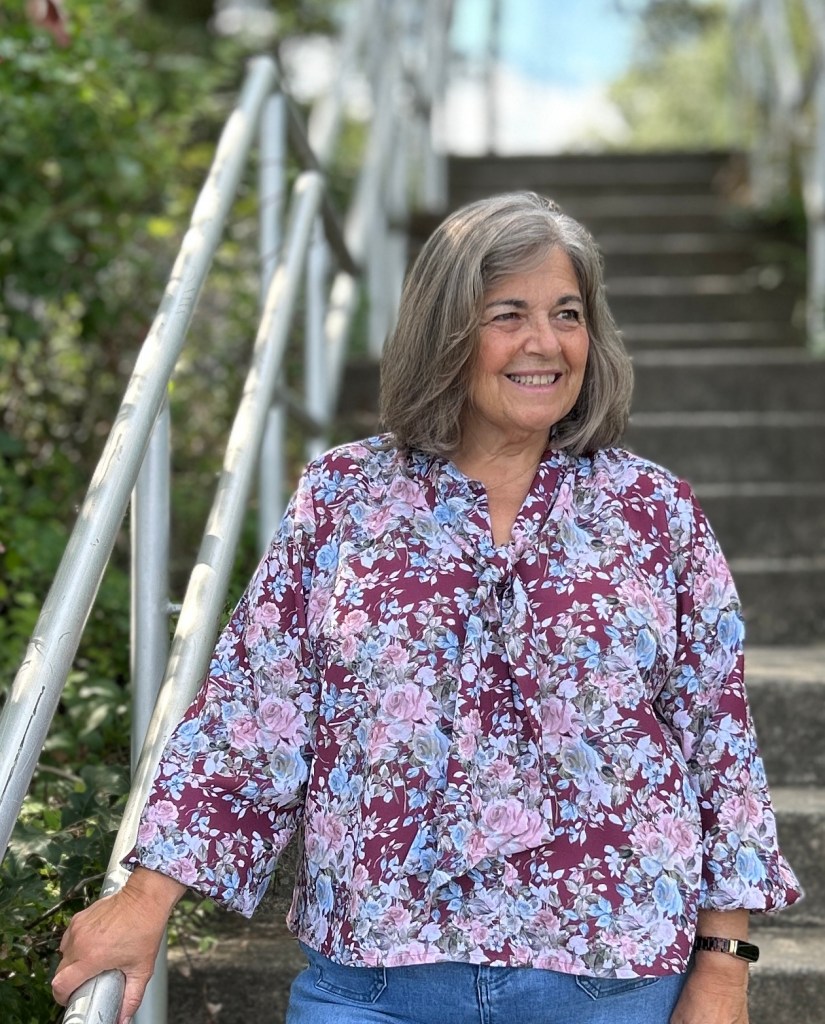
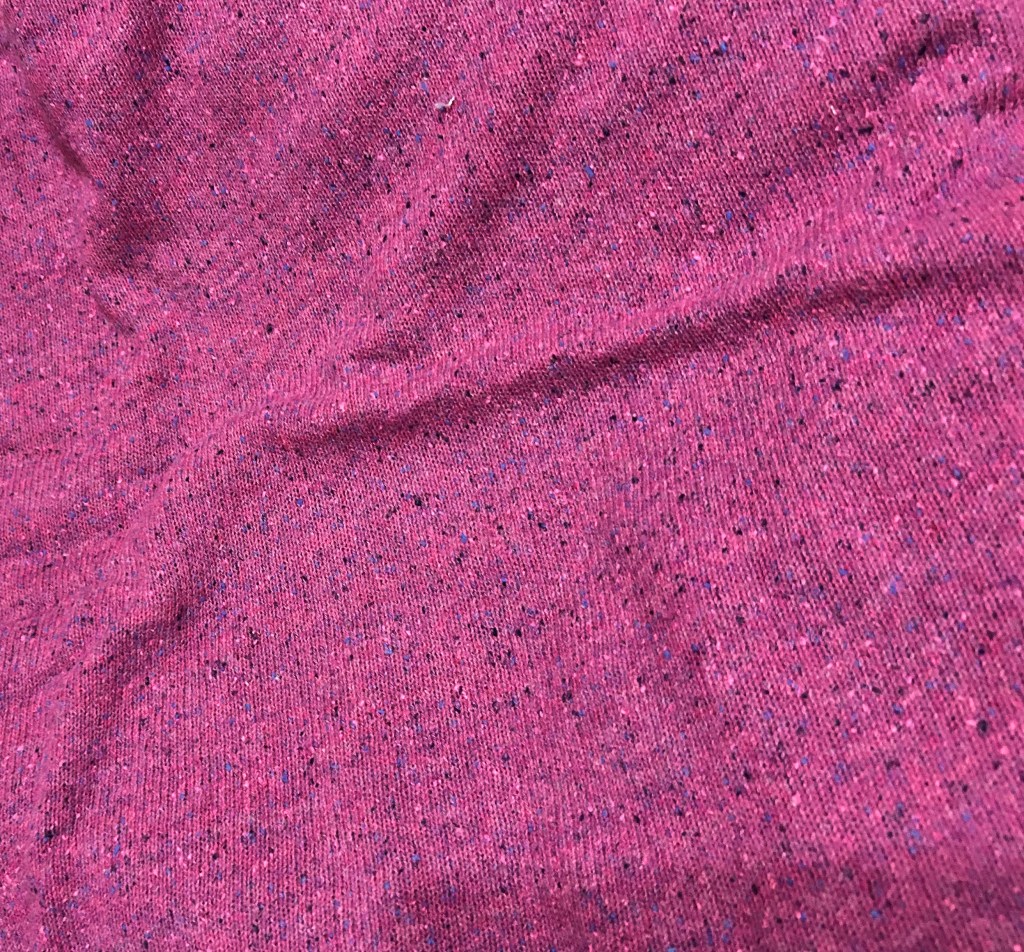
Some of these I had plans for them as soon as I selected them~ others I just “needed” to have! The Textured Rayon Shirting will be for a skirt for my trip to Italy next Spring. The Sueded Rayon Blend Shirting will be an LN Aria. The wool sweater knit will be a True Bias Marlo Cardigan sweater.
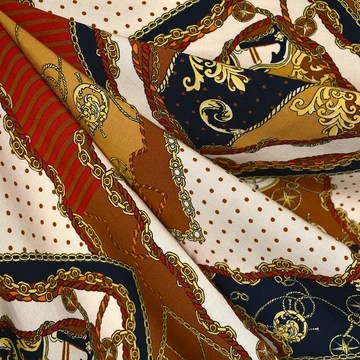
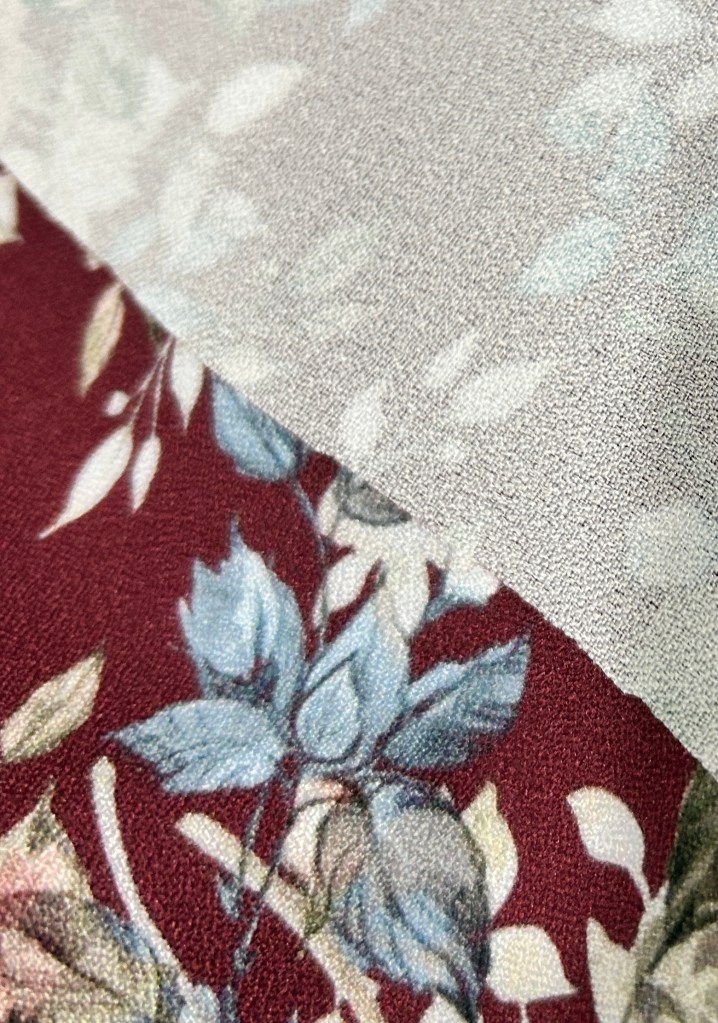
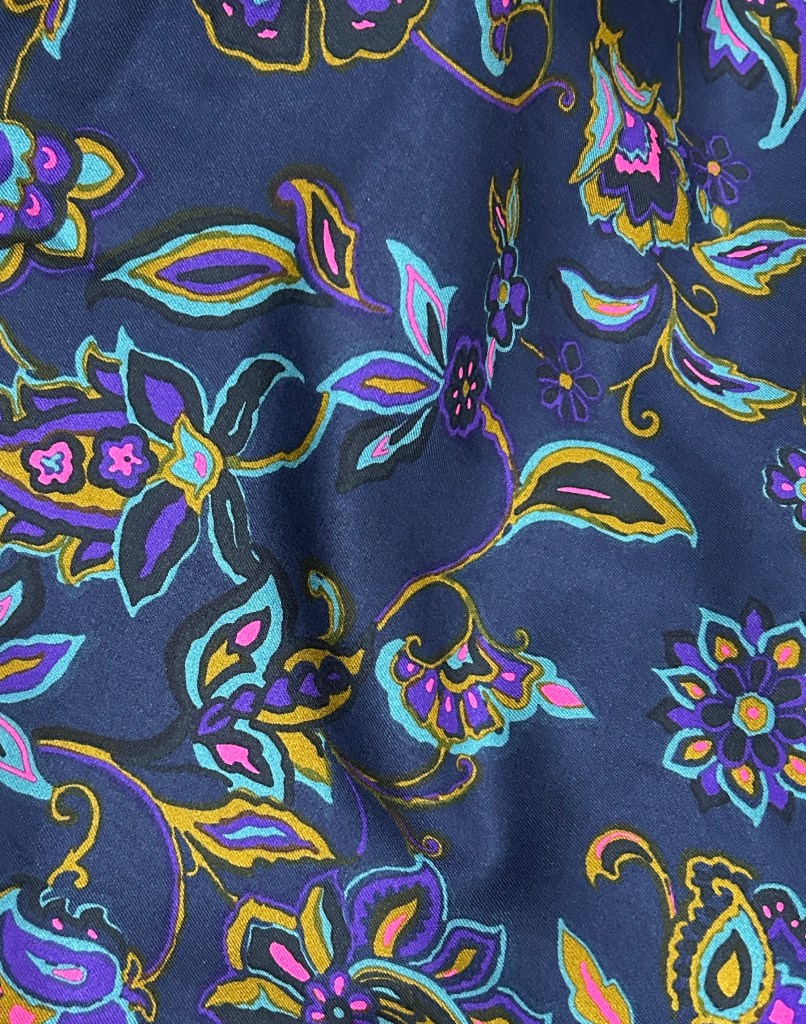
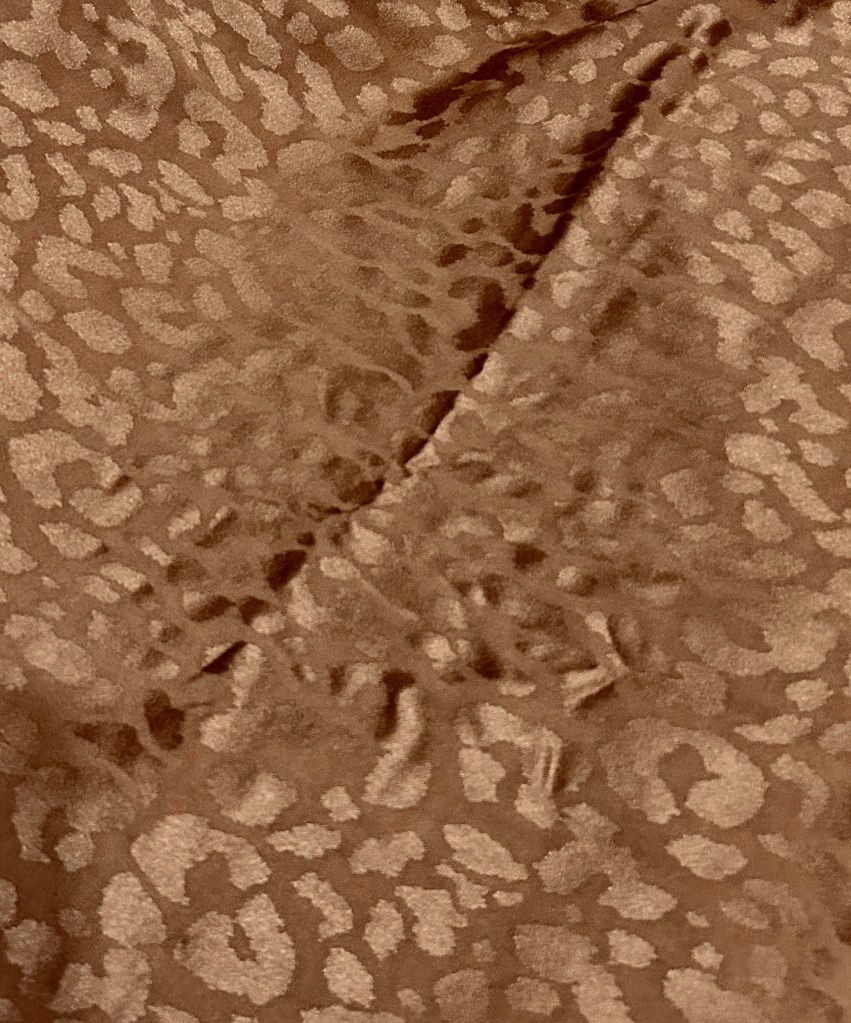
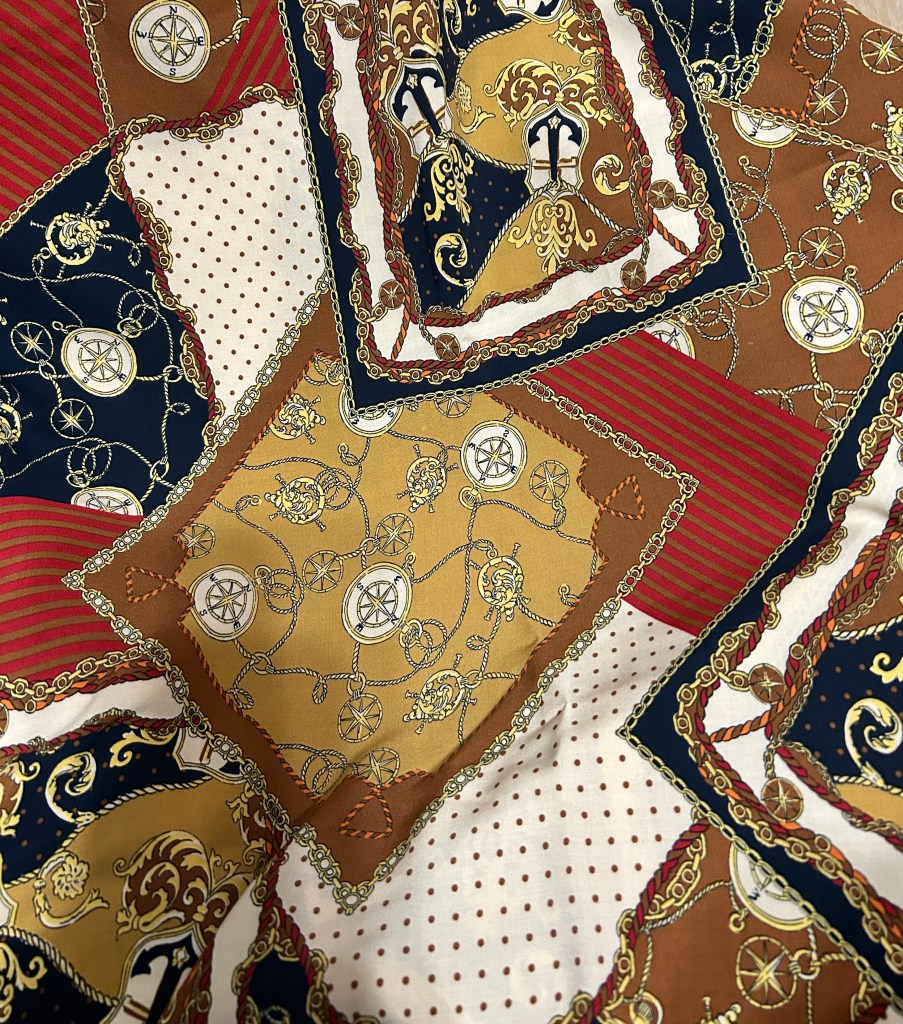
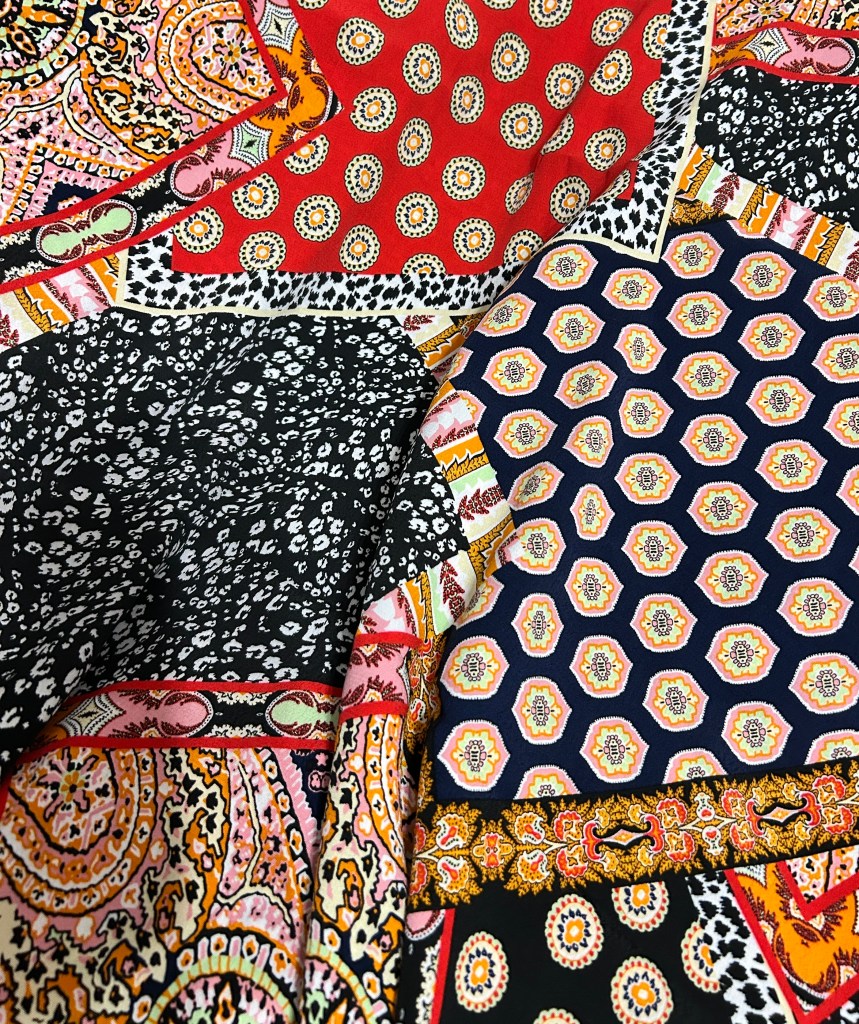
I absolutely LOVE rayon twill, a true rayon crepe and rayon jacquard. When ever I see prints in these fabrics I always purchase them for my stash. These will all become blouses. Each of these have the same great drape as rayon challis yet they are a tad more body.
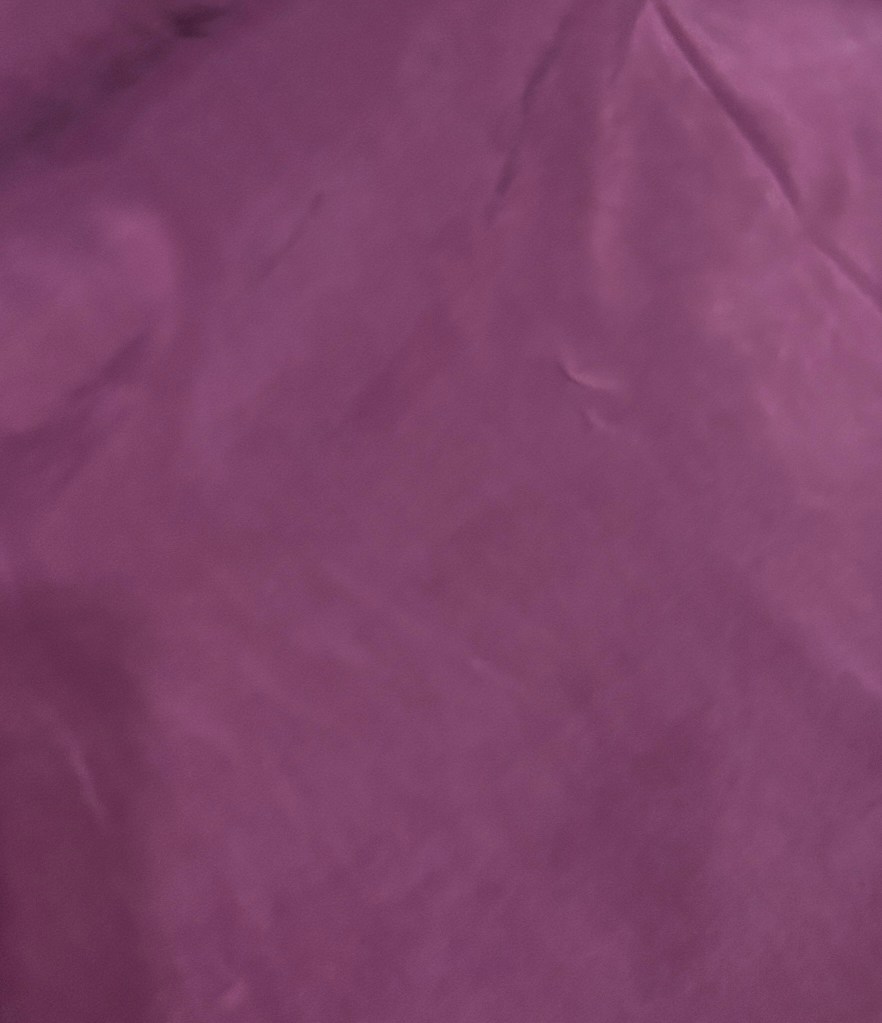
for a LN Aria
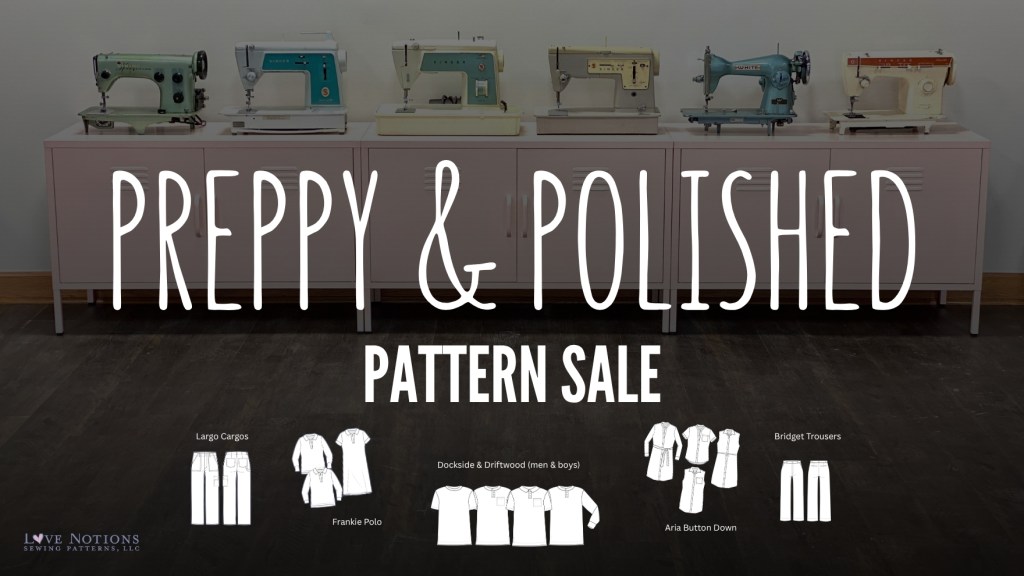
Love Notions ~ Annual Fall Sale Begins Next Week!
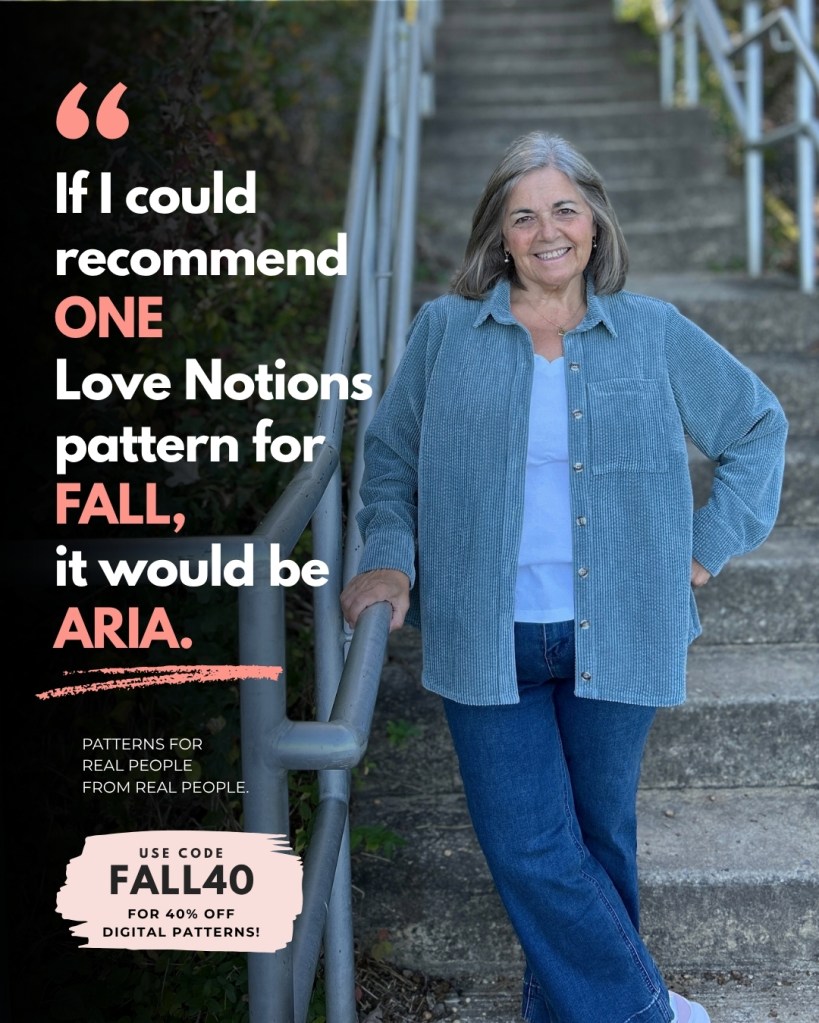
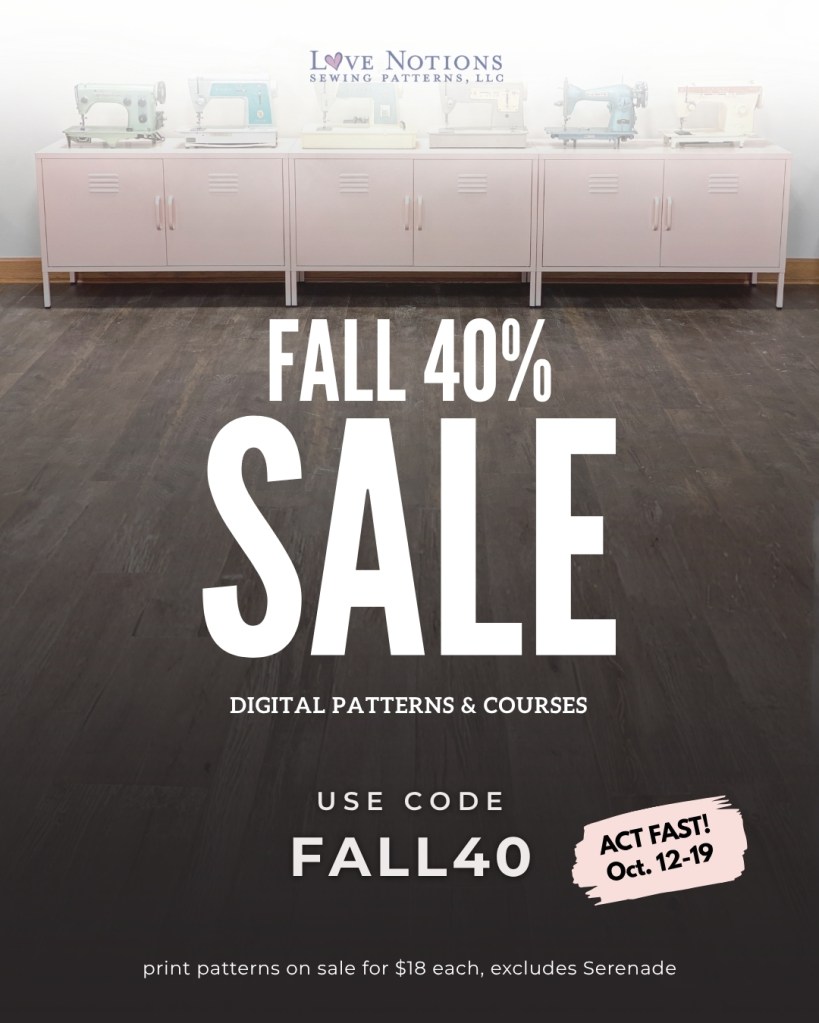
The annual Fall 40% off sale will begin on Monday, 10/12 and run through Monday, 10/19. Plenty of time of grab what you need to for your Fall wardrobe.
I’ll be sending out a blog post Monday(hopefully) with ideas for Fall sewing using my favorite Love Notions patterns along with some fabric resources. As always, thanks for reading.
Remember to please use my affiliate link when going to the Love Notions website. It is the ONLY way I will receive any credit for your purchases~ and it costs you nothing! LOVE NOTION PATTERNS. To get the sale price on all digital items you must use the code FALL40.
A few details about the sale~ All digital patterns and sewing courses except the new Serenade will be 40% off. All printed patterns will be $18 each.
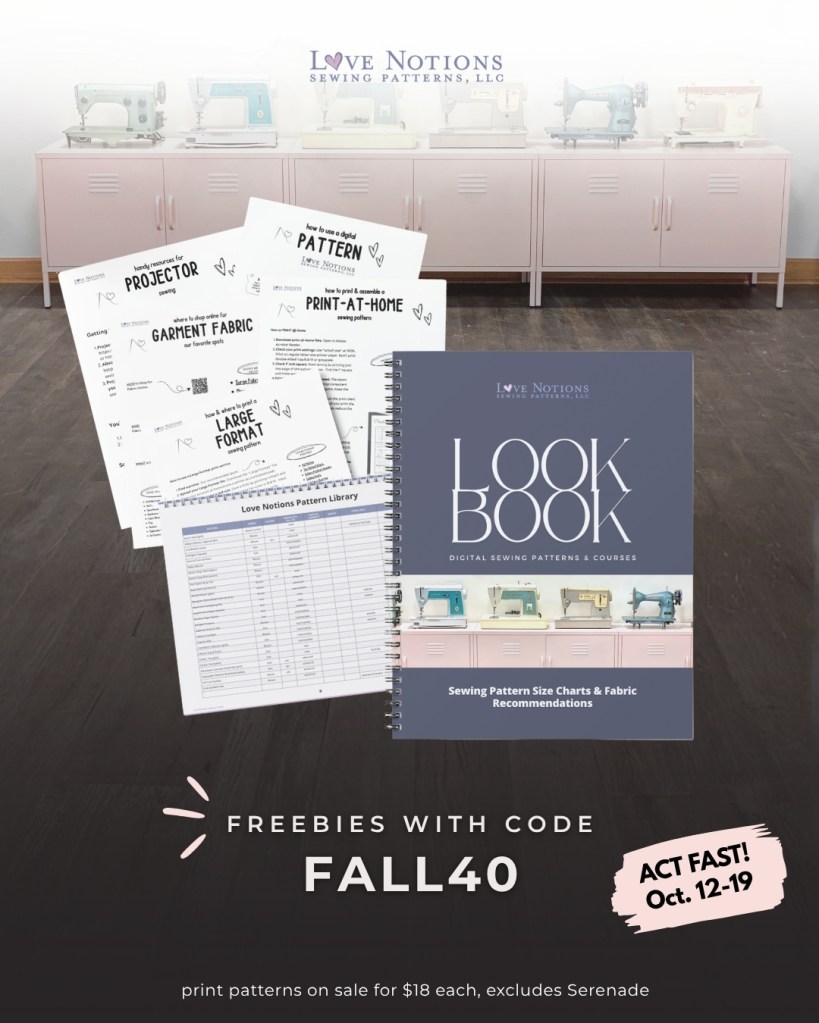
There are also a few freebies included with a purchase when you use the code FALL40.
- Complete 2026 Look Book
- Updated Love Notions Pattern Library List
- Beginner’s Guide to Digital Patterns
- Recommended Online Fabric Shop List
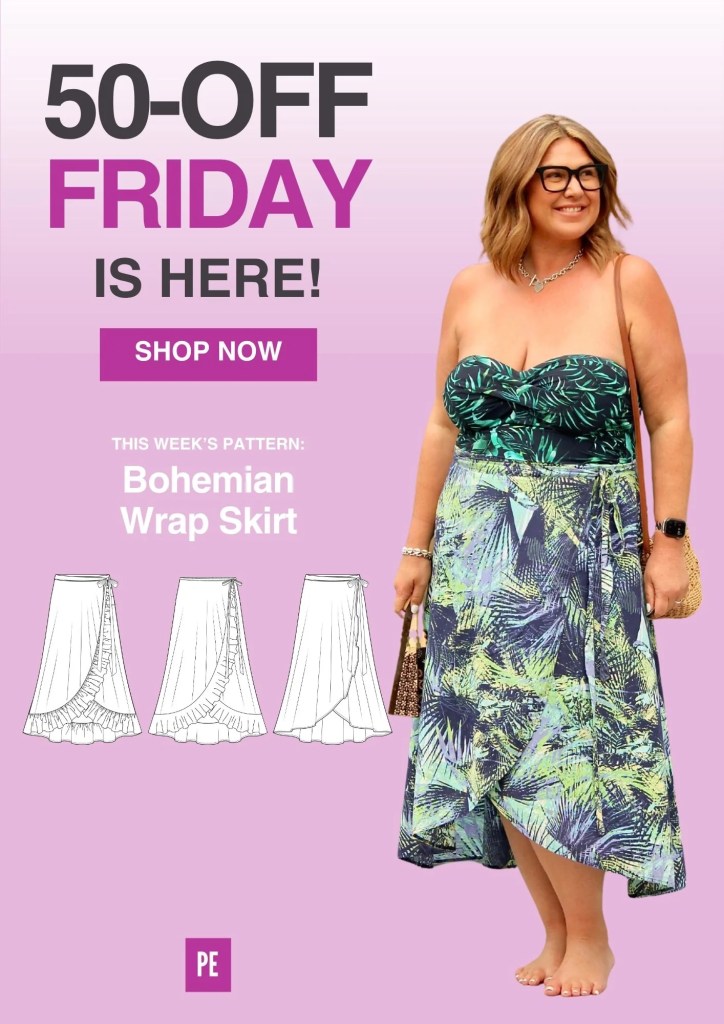
Pattern Emporium Friday 50% Off Pattern Is ~ Bohemian Wrap Skirt
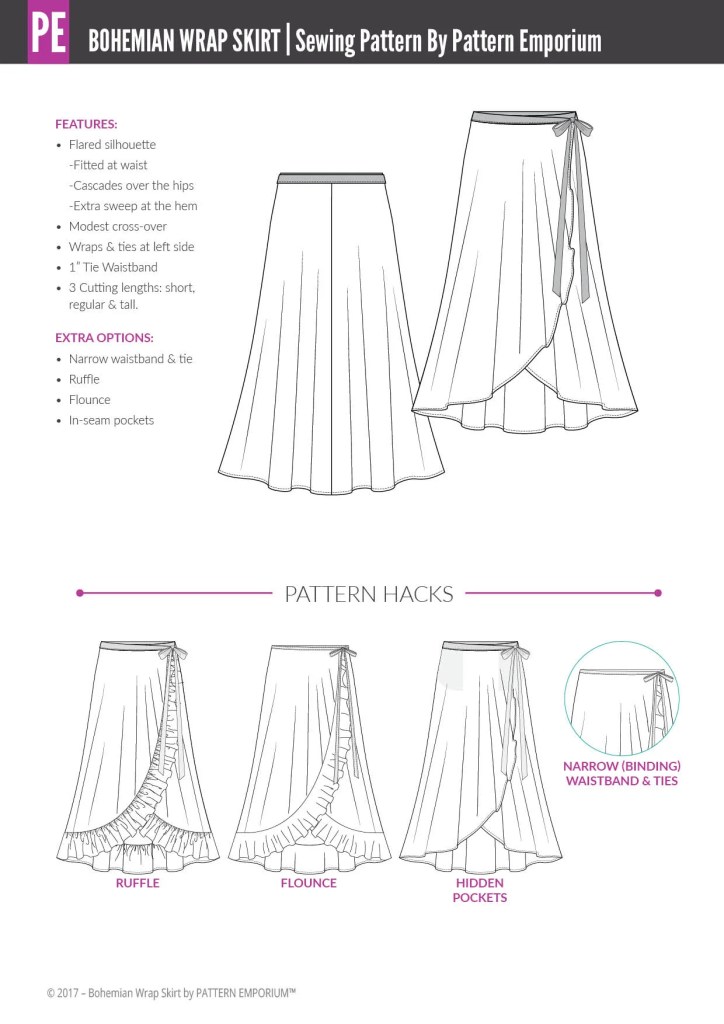
Introducing the Bohemian Wrap Skirt sewing pattern—a versatile and elegant piece that effortlessly ties at the waist for a comfortable fit.
With options to sew it plain or add a gathered ruffle or flounce, this skirt cascades beautifully over your hips and bottom, offering an extra sweep at the hem and a modest crossover to keep you confidently covered.
I don’t have a wrap skirt in my pattern library~ and I’m grabbing this one for next Spring! Remember that since Pattern Emporium is an Australian company~ their seasons are opposite of ours here in the US. I’m taking advantage of these sales even though I won’t be sewing them up right now but I’ll have so many “new to me” patterns to sew next Spring and Summer! I have LOVED each of the PE patterns that I have made so far! I highly endorse them!
You can grab the pattern HERE. The is on sale for $5.50 USD
Remember PE in an Australian company so this sale will end Friday night at 10 PM EST.
Raspberry Creek Fabrics ~ New Releases Coming Soon!
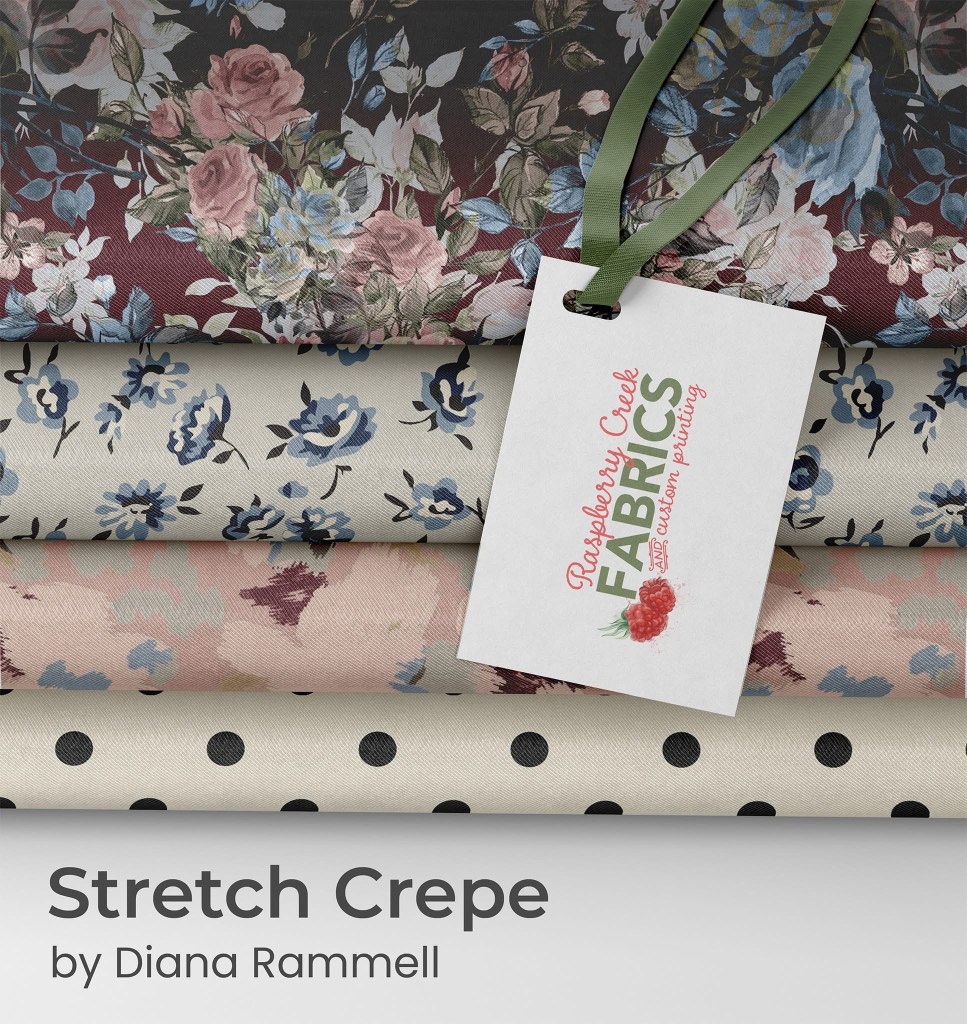
Here are some of the new fabric lines that will be releasing soon! I will let you know when one has hit the website!
- New Retail Ribbing in October
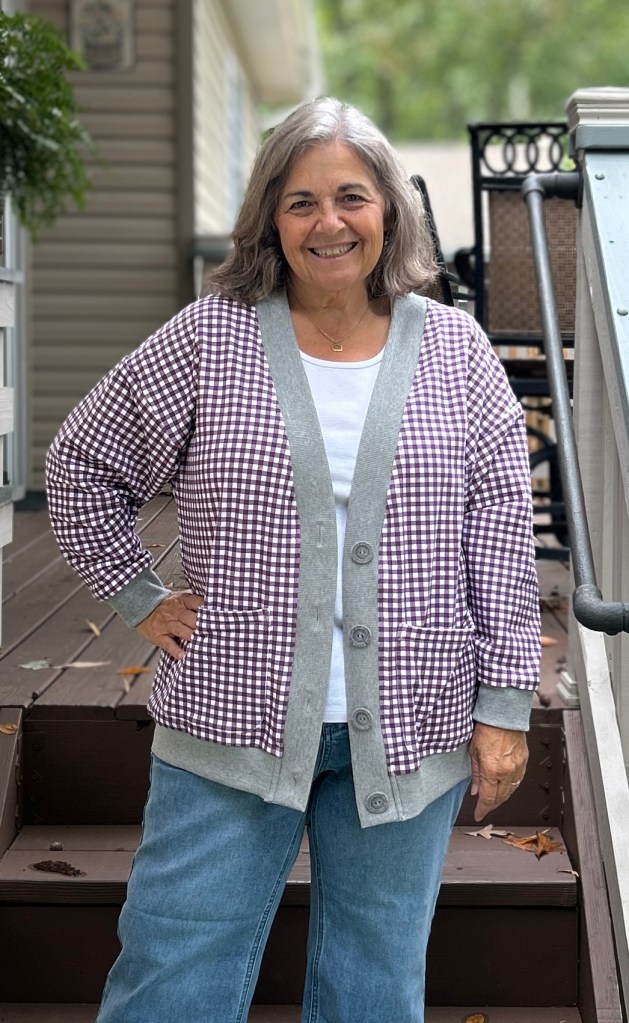
- I’ve used this a few times already and I love it! The purple gingham cardigan features the heather gray ribbing,
- New Flannel Retail ~ Oct
- This is a great lightweight flannel. The Serenade shown below is one of the many plaids available.
- New Cargo Canvas in Oct.
- I’ve got a new jacket planned in some navy!
- New Plaid Shirting
- New Chino Twill
- New Twill Shirting
- New Bull Denim
- And More!!
What I Wore Last Week~
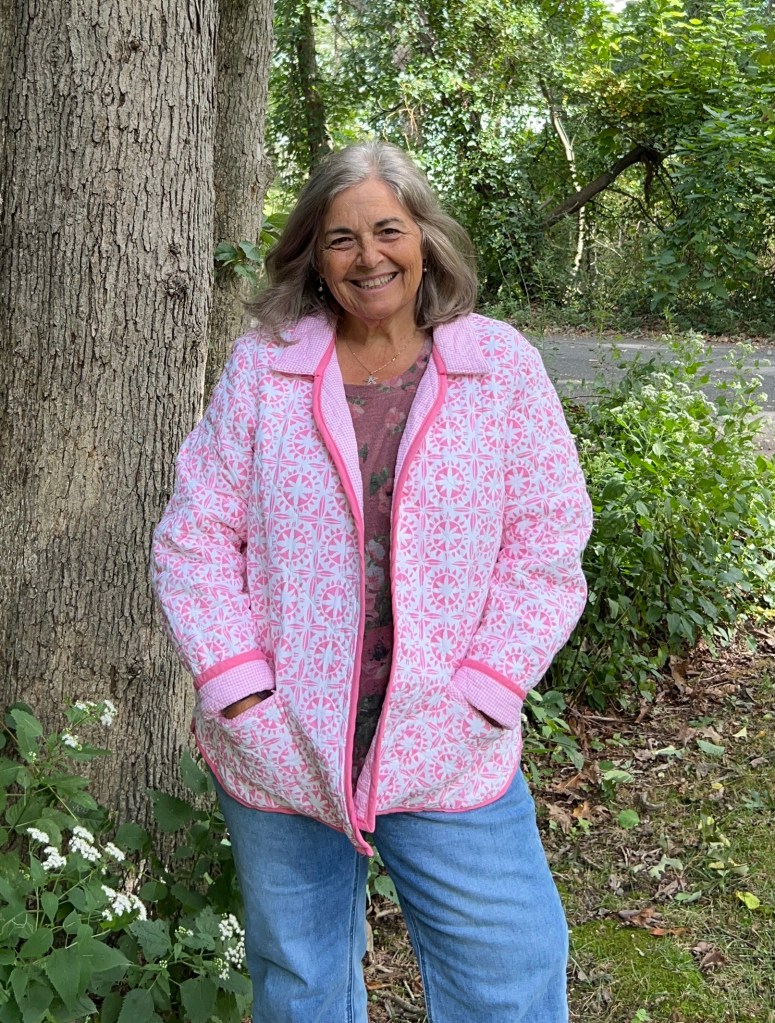
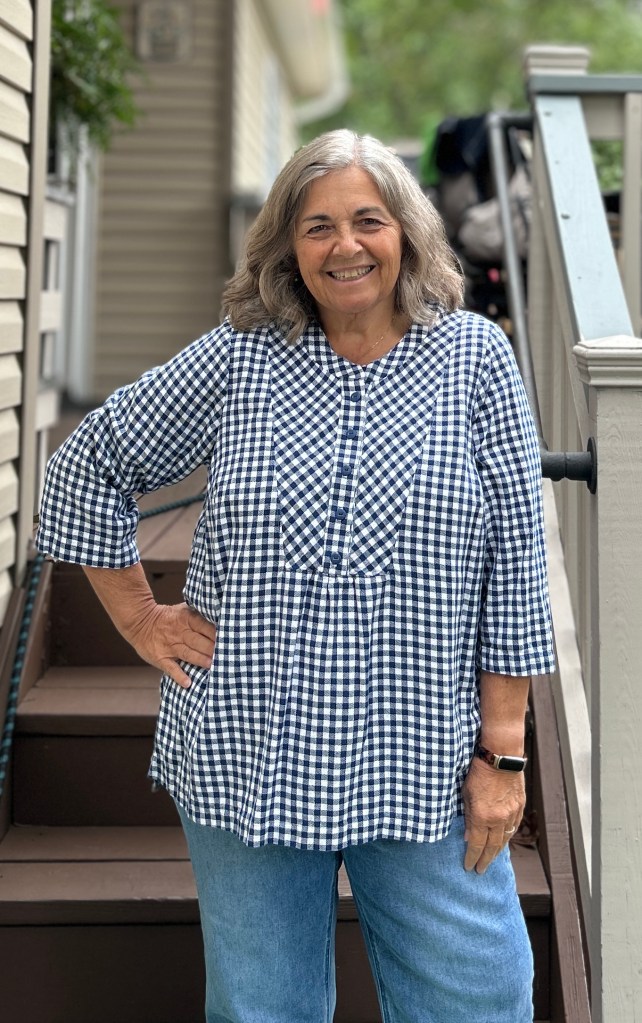
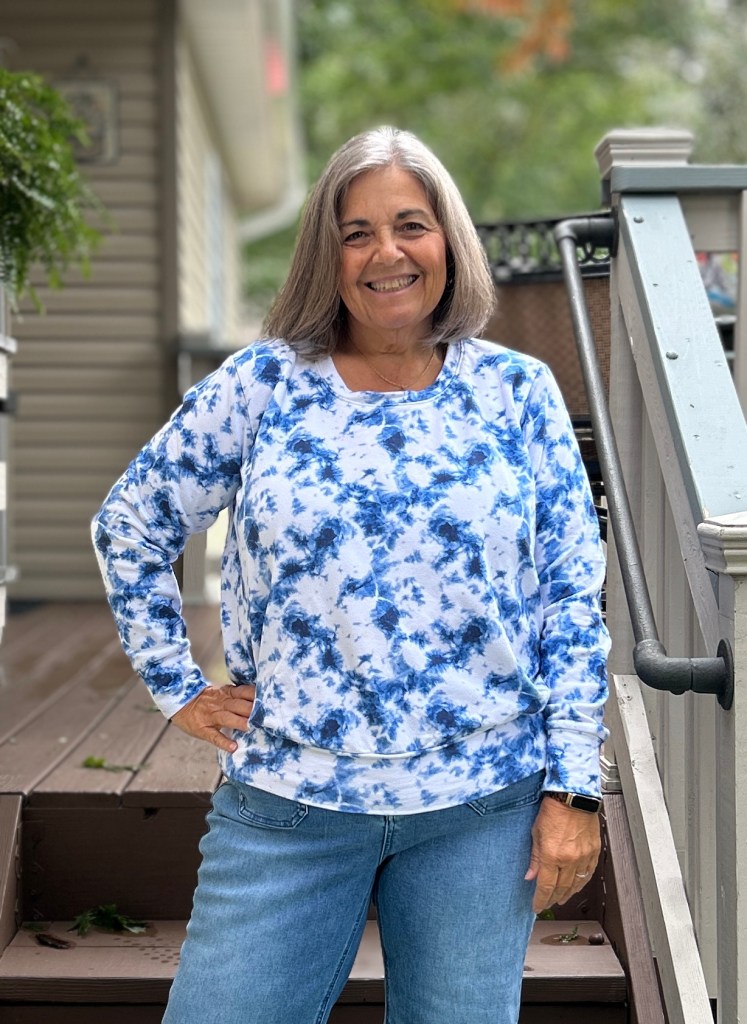
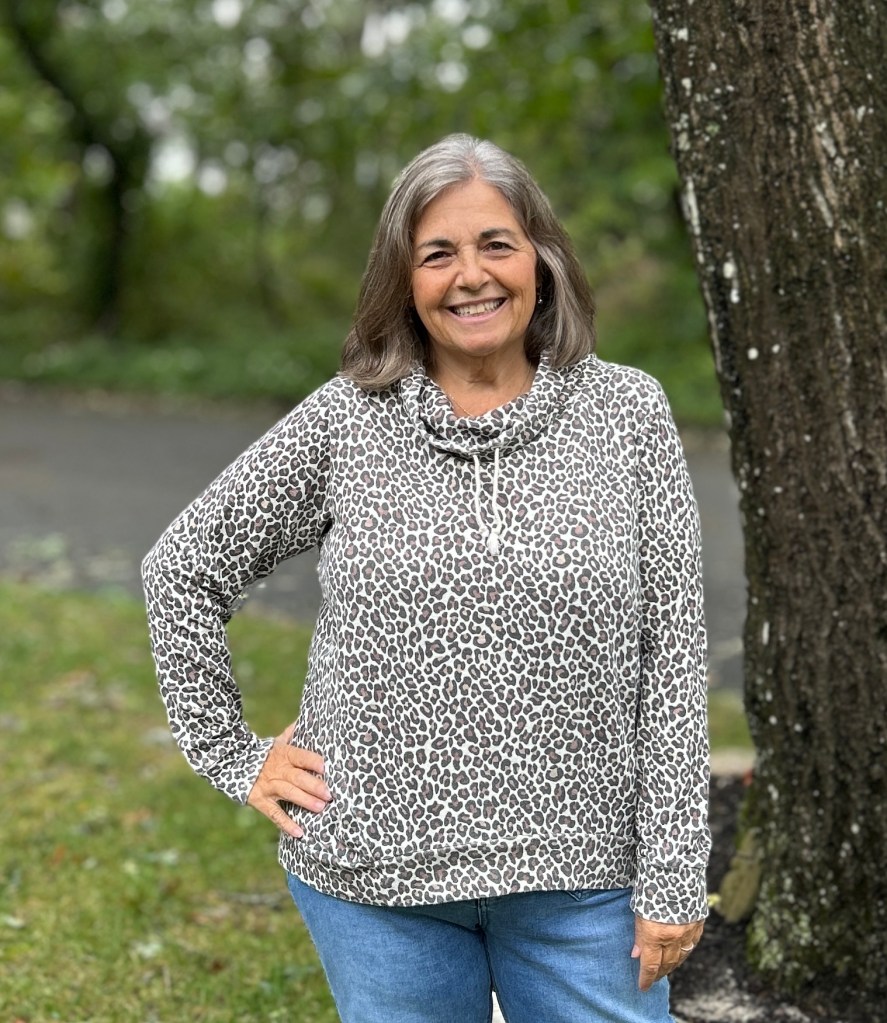
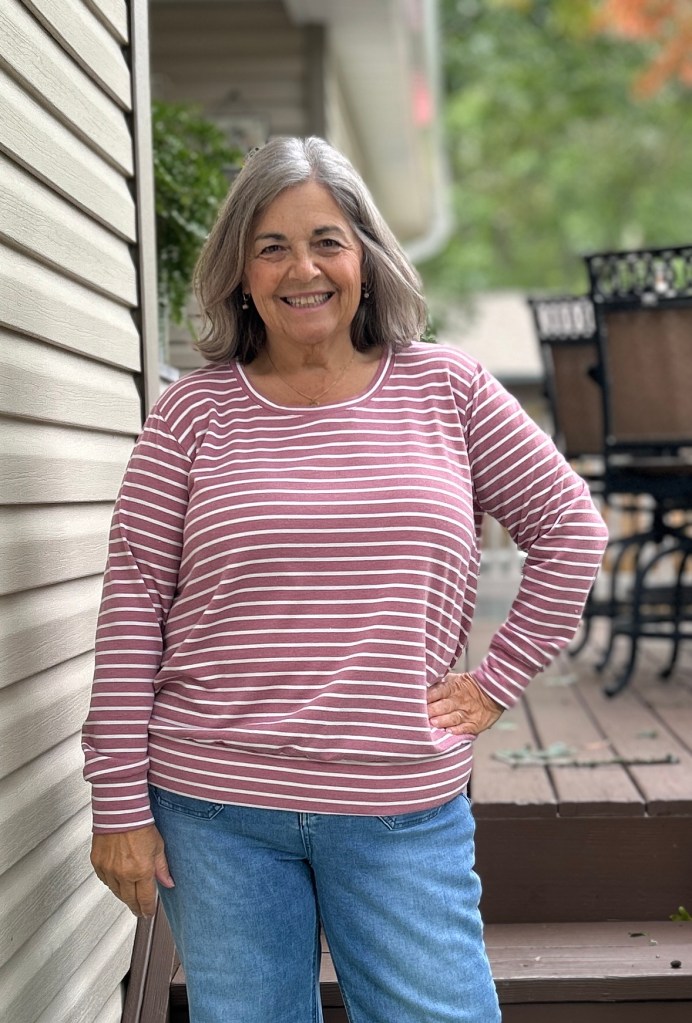
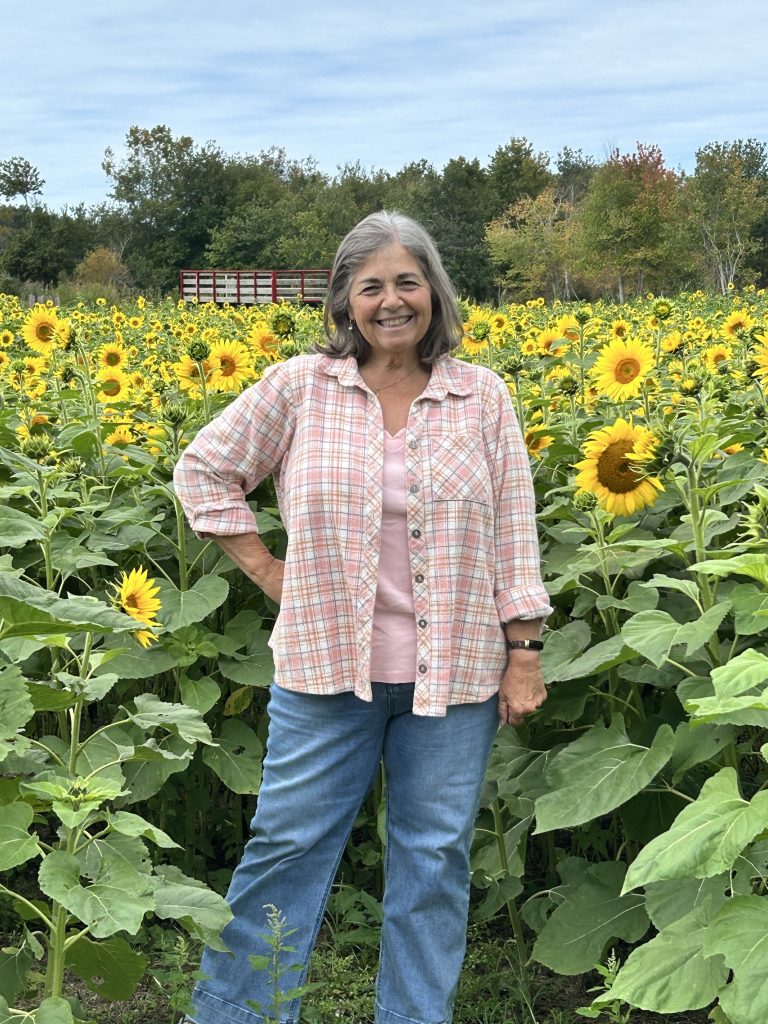
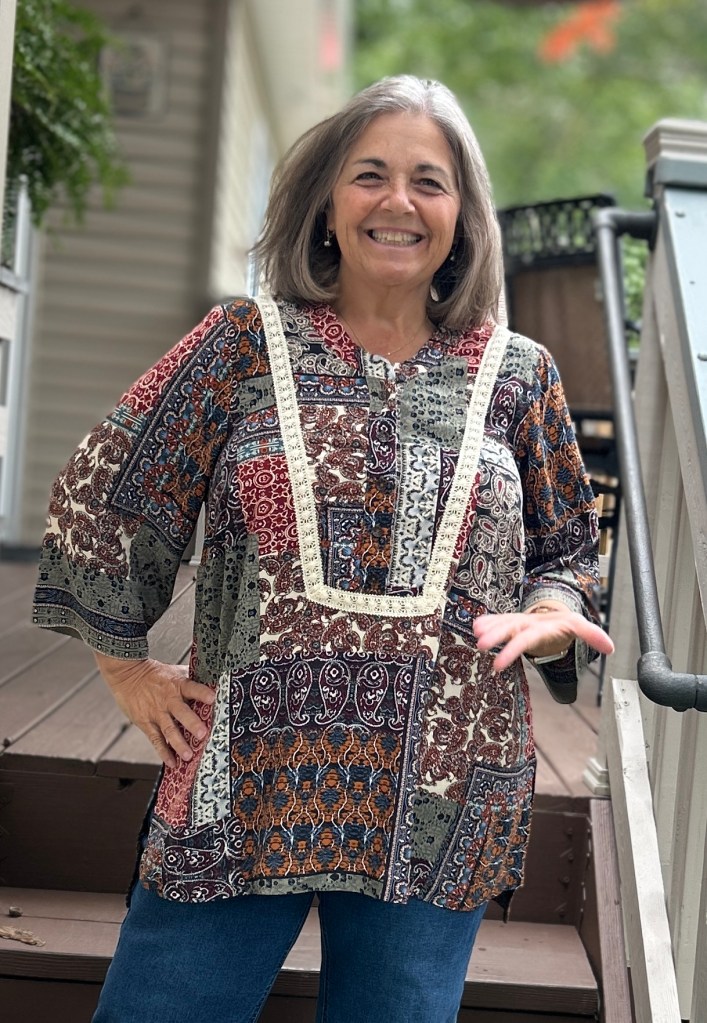
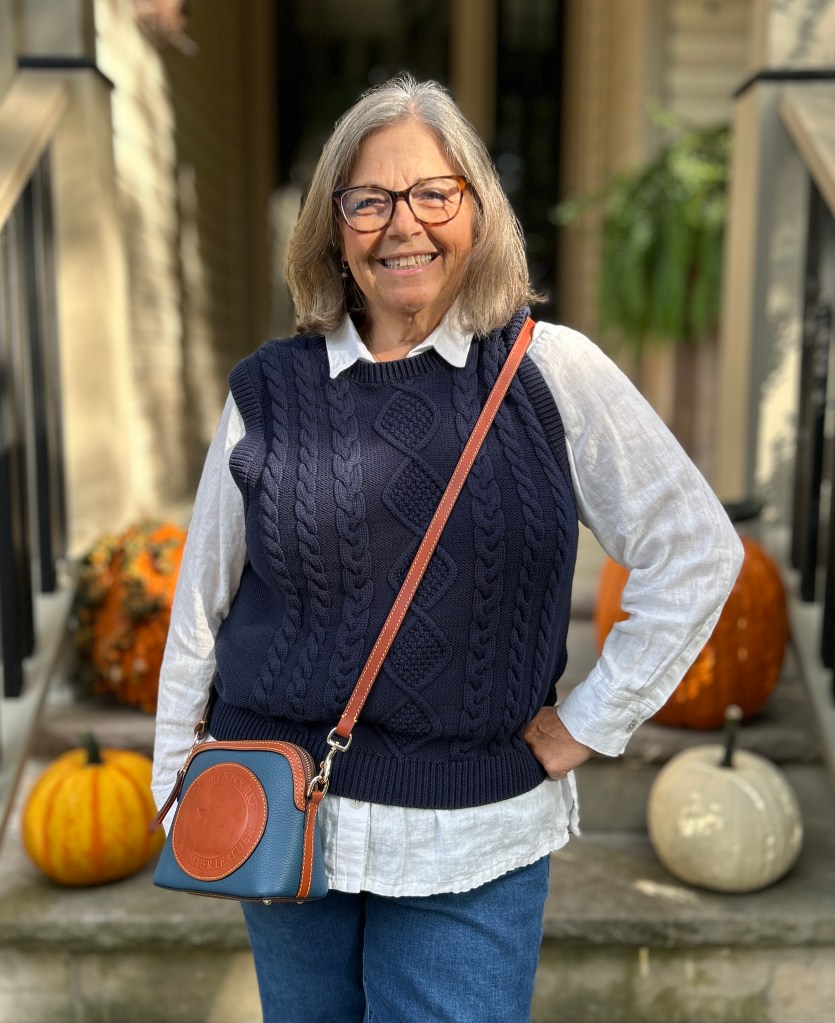
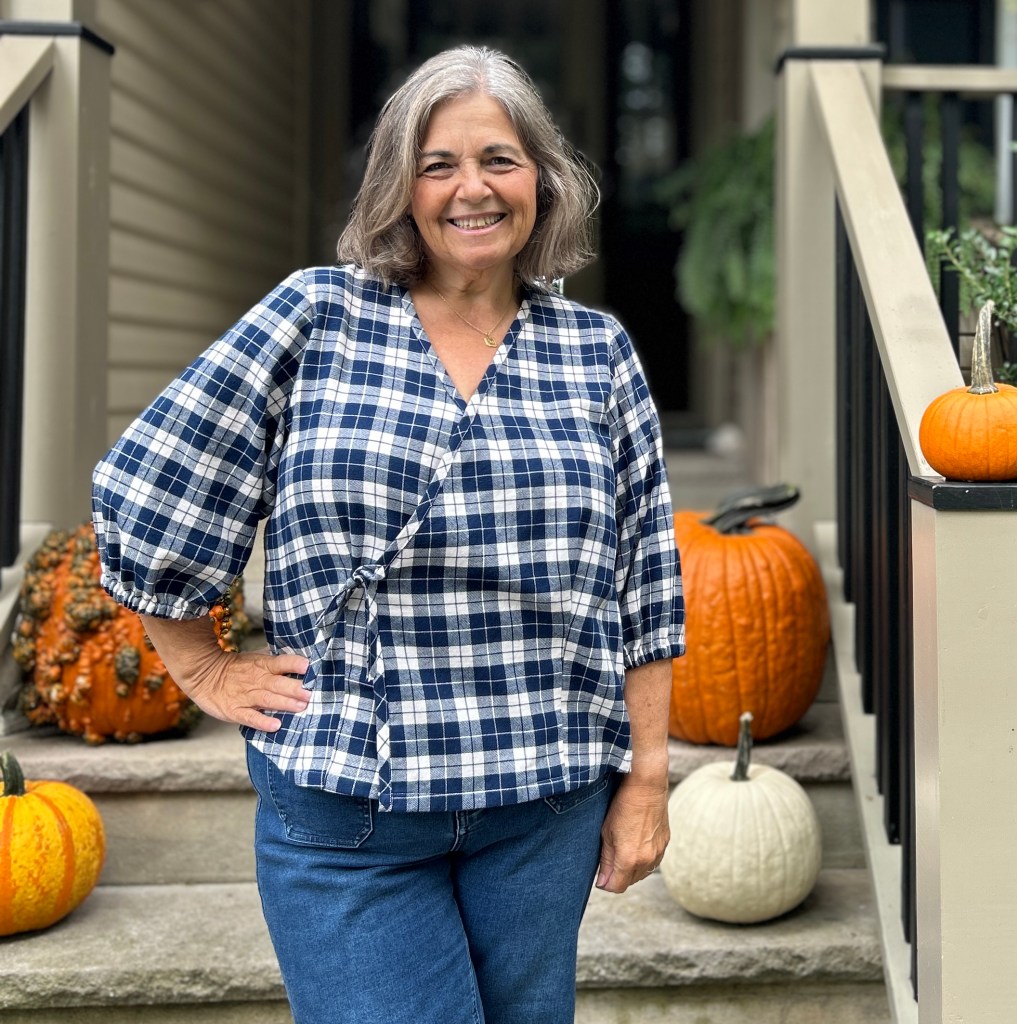
The week started off cool and I reached for some of my favorite sweatshirts I made years ago! Towards the end of the week the weather got warmer and I enjoyed one of my new Serenades and a Presto tunic.
Some of my favorite Arias have gotten a tad too big~ but I was able to shrink my white linen version. I need to do some altering, but it should be simple as I will just take the grading out of the side seams. I am planning on adding the fish eye darts to the back of the Presto Tunic along with shortening it to make it work for me now.
- LN Sloane Sweater ~ in a Cotton French Terry from Raspberry Creek Fabrics
- Hey June Halifax Hoodie~ in the “infamous” Oatmeal French Terry from RCF
- LN Sloane Sweater~ in a baby French Terry from Mily Mae Fabrics
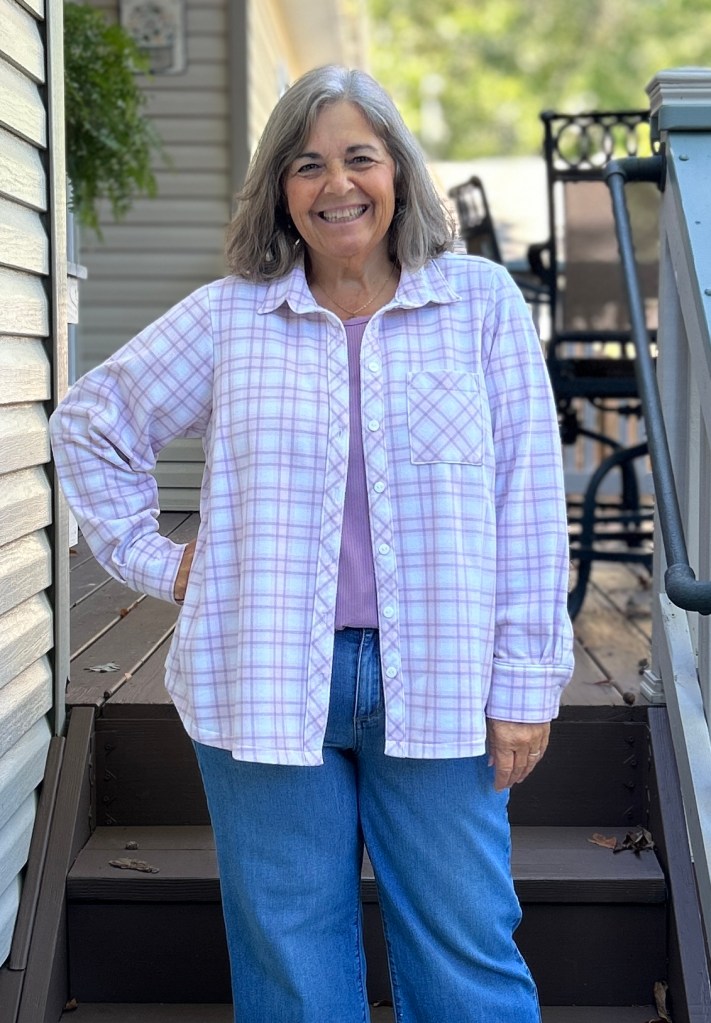
- LN Aria Button Down ~ in Robert Kaufman flannel
- LN Presto Tunic ~ in a rayon poplin from Style Maker Fabrics
- LN Aria Button Down~ made in 100% linen
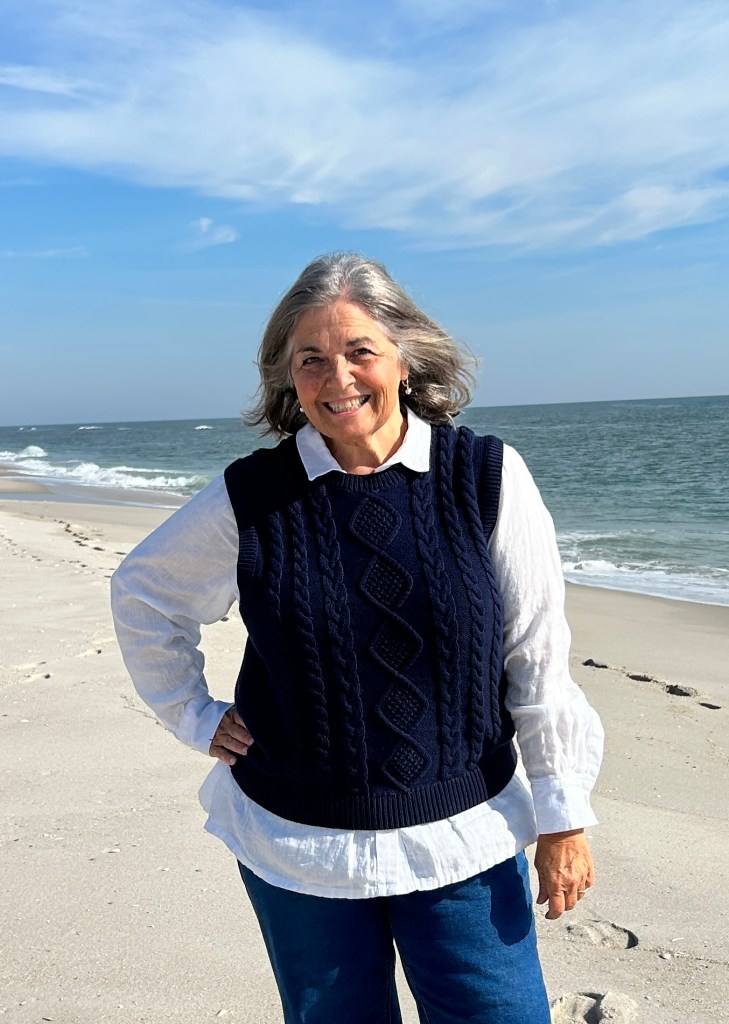
- Worn with a RTW cable knit vest from J. Crew
- LN Serenade Shirt~ made in a lightweight cotton flannel from Raspberry Creek Fabrics
- This flannel is a part of the full line of lightweight flannels will be releasing soon from RCF
- True Bias Marlo Sweater ~ in Cotton French Terry from RCF Halloween Collection (still available)
- Gary Ribbing is part of the new line that will be released this month at RCF
- LN Aria Button Down ~ in a sweatshirt fleece from RCF
- Any of the Fall, Halloween or Christmas prints that are available on DBP or Rib is also available on Sweatshirt fleece at retail prices. This plaid I had custom printed last winter (at custom pricing) so I’m so excited that you can get retail priced ones. (That said~ I need to order more!)
What I’m Sewing This Week~
Sigh…………….. I’ve just cut and pasted what I wrote last week! I’m not going to say that I’m in a sewing slump~ but I’ve just been so busy with other things! I love this time of year~ and I find myself not wanting to be inside at all!
So again~
I have to admit~ after a nice long vacation, catching up on laundry(the worst thing about coming home from a vacation), birthday activities, decorating the outside for fall and picking up cleaning up from the Nor’Easter. I really haven’t sewn anything this week!!!
I’m hoping this weekend I will get started on my Christmas Promo sews for Raspberry Creek Fabrics. My goal is to sew up at least one of them weekend! (Maybe 2!). Edited~ I’m going to make my goal smaller and say, just ONE RCF promo sew for this weekend. I think I’ll start with my sweatshirt fleece Aria that I planned!
My Sewing Plans~
So yes~ I just cut and pasted my sewing plans from last week’s Weekly Stitch yet AGAIN! Let’s hope I get this accomplished!
The first thing I need to do is to finish up the Christmas Club Strike offs.
Next I plan on working on a RCF promo with some navy “Cargo Canvas”to sew up a jacket. I’ve been going back and forth on which pattern to use. Over vacation I looked at some other options, so this weekend I’ll make my final choice and get started. Contenders are: Grainline Thayer Jacket, Chalk & Notch Den Jacket and the Friday Pattern Company Ilford Jacket.
I’m also hoping to sew up one or two new LN Aria Button downs in Fall plaids! I’m sure you noticed by now that I LOVE wearing button downs and I actually “need” a few new ones for Fall. I have some really awesome “sueded rayon shirting” fabric from Style Maker Fabrics for one of the Arias. I also have a plaid twill shirting f rom RCF that I can’t wait to sew up as well.
I also need to sew up a new Oakley Vest or two. Mine are getting a tad to large to wear anymore~ and I really don’t feel like removing the bias binding to alter them. The Aria and Oakley really is my go to combo all Fall and Winter long!
At this point~ I’m not making up a huge long list of things I want/need to make until I get my “sewjo” back!!
Thanks for reading “The Weekly Stitch”! I’m so happy you took the time to “visit” my sewing room!
Mary Anne 🙂
Remember to follow me over on Instagram to see all my latest makes! @sewmarymac
You can also follow my Facebook Page~ Sew Mary Mac. On this page you will find information on my makes from all pattern companies. If I know of any good sales(pattern or fabric) I will also feature this information. I have had many of my loyal followers send me friend requests on Facebook. I do post in the Love Notions group under Mary Anne MacLean, however this Facebook account is private. There is no sewing content on that Facebook Account.
Pattern Links~
NOTE: These are affiliate links. It costs you nothing to purchase from these links but they do give me credit for your purchase and provide me with a small commission. This helps fund my fabric stash which allows me to continue to test and review more patterns. Using the affiliate link also helps me cover the costs of maintaining my website. I have tried to avoid placing ads on my website so using my link helps me to continue to do that.
Last week I announced that the Ambassador Discount Code program ended as of 10/1/2026. There is no longer a discount code for me to provide to you. However, as this change has happened, going forward I would truly appreciate it if you used my affiliate links above to purchase any patterns so that I will get “credit” for the sale.(I do receive a small commission)
Again, in the future, please try to support my Sew Mary Mac blog by always using my affiliate links. Simply click on any Love Notions link in any of my blog posts and shop. Doing this can help me to keep my blog ad free! You can even save this link in your bookmarks which will always be my affiliate link ~ Love Notions Patterns.
Blog Posts~ These will give you more details on each pattern, my sizing and alterations along with sewing tips for each specific pattern.
- Love Notions Sloane Sweater
- Love Notions Aria Button Down
- Love Notions Presto Tunic
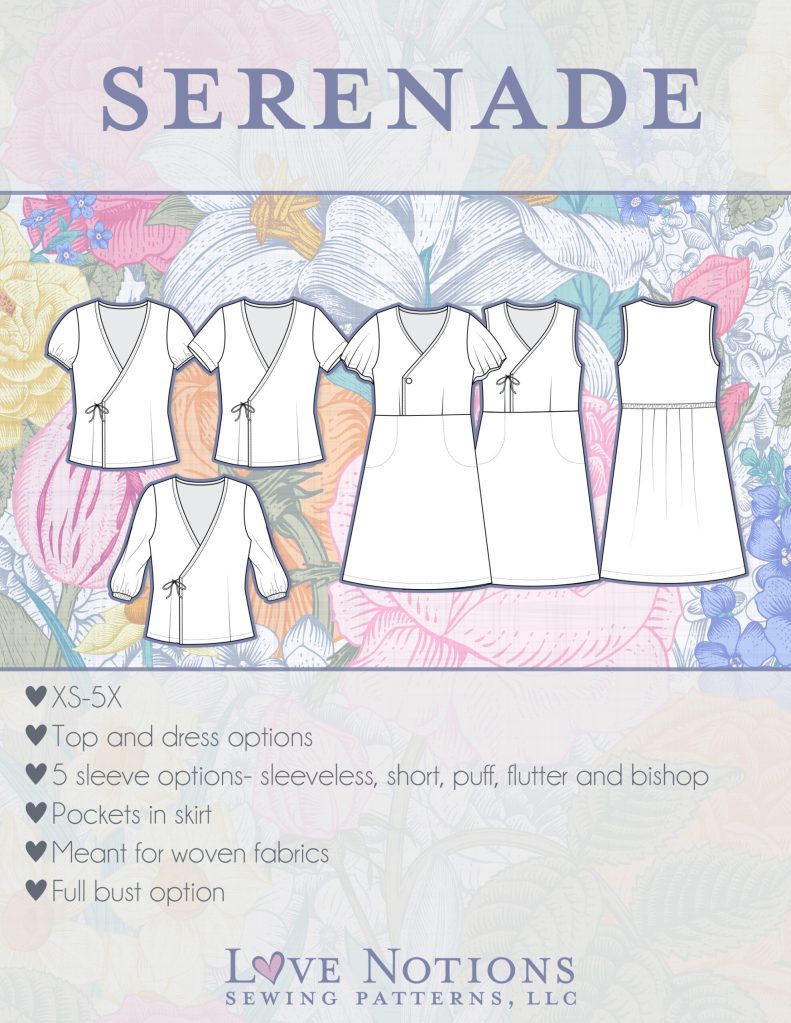
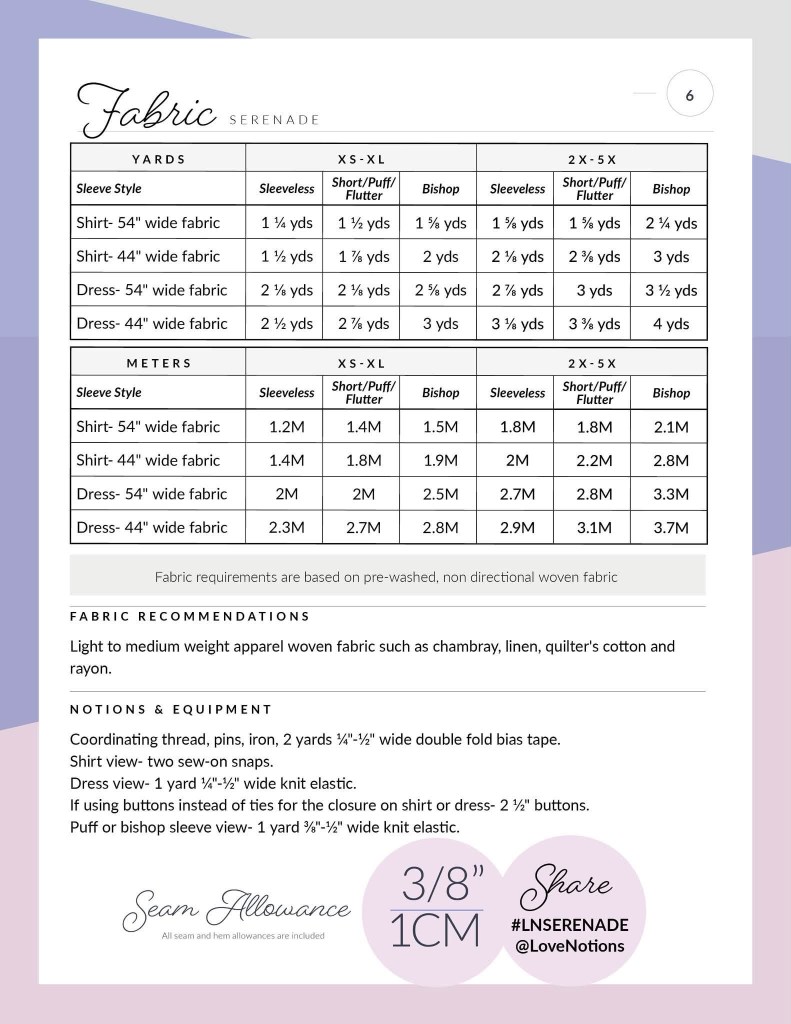
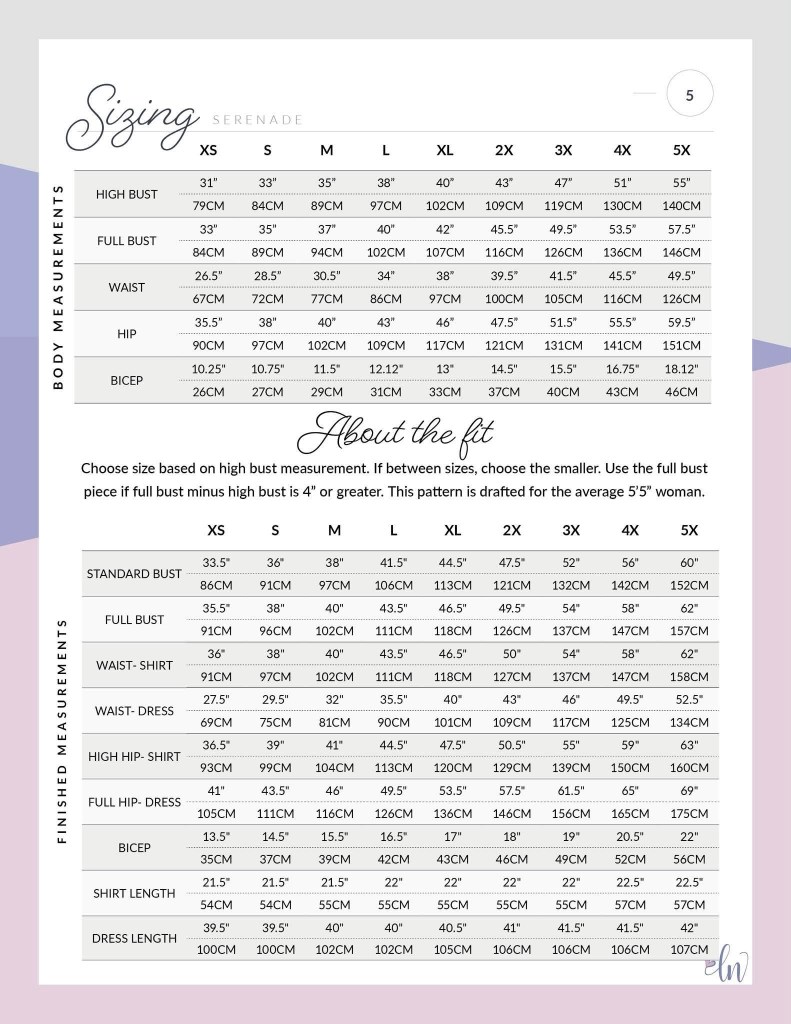
- Love Notions Serenade Shirt & Dress
Bonus Photos~
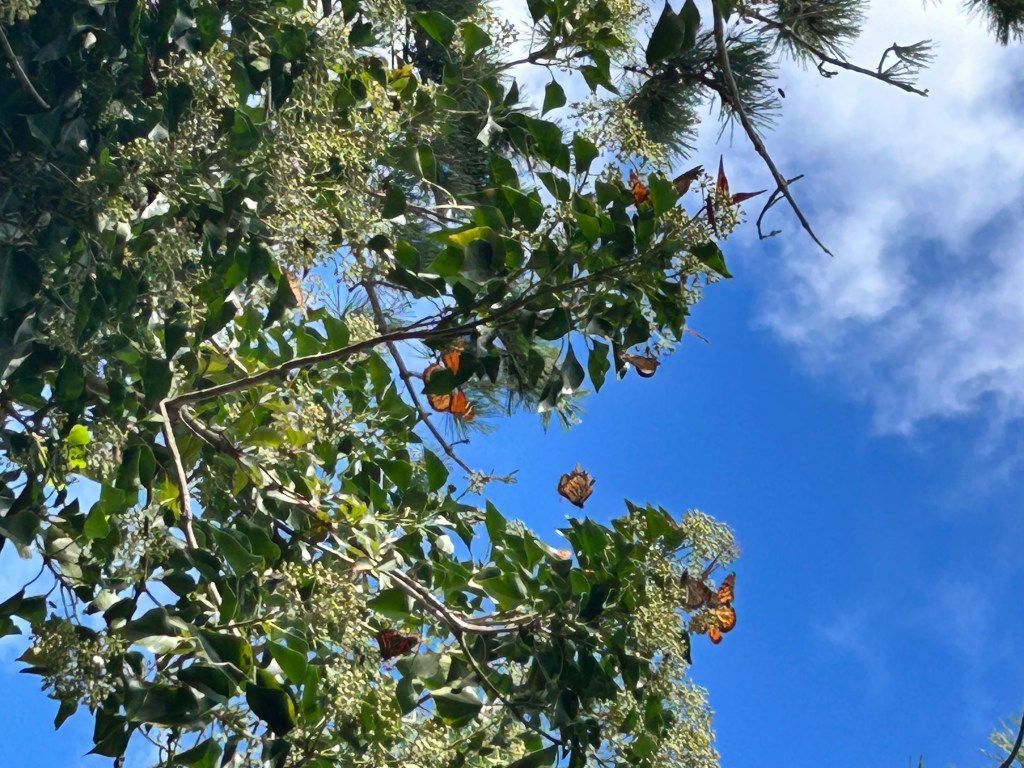
The weather has been beautiful ever since the Nor’Easter! We drove down to Cape May for a bike ride and to see the Monarch butterflies that gather in mass before they began their flight to Mexico.
First 6 photos in Cape May
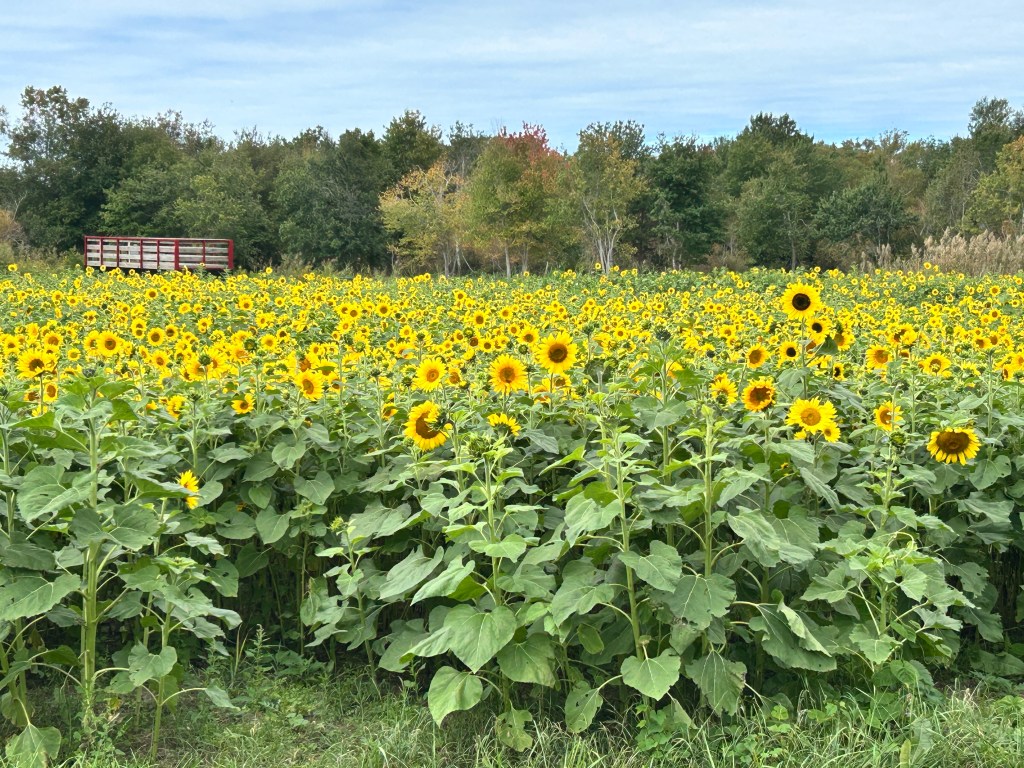
- Farm along our bike ride
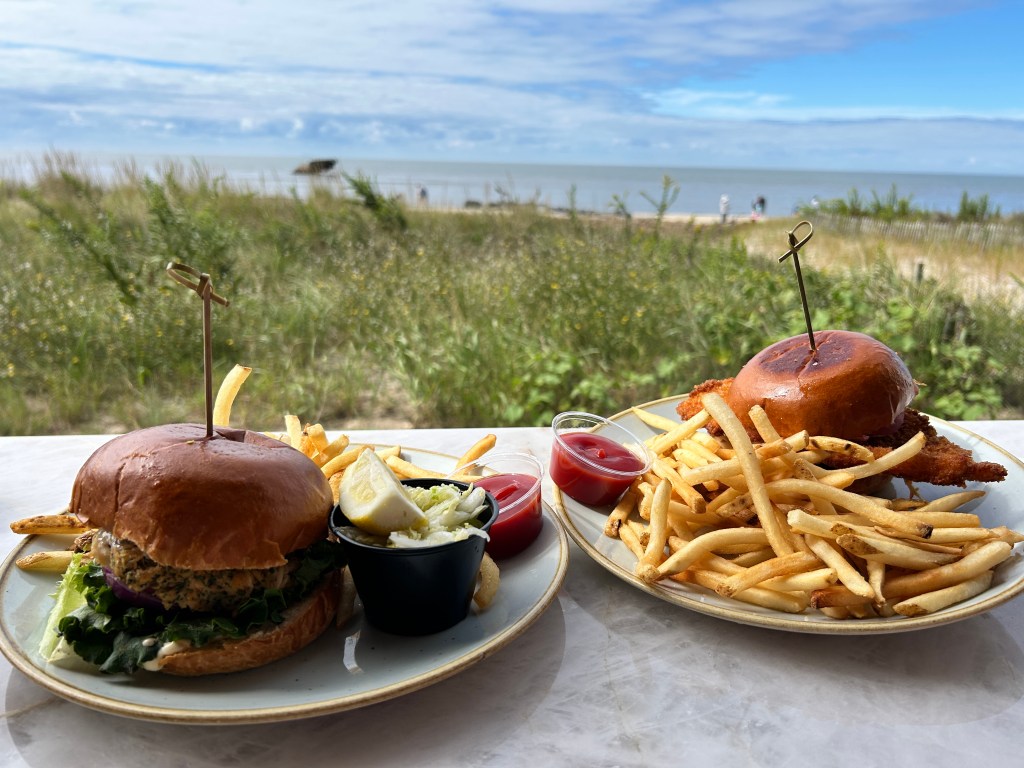
- Lunch at The Fish House on Sunset Point
- Monarch Butterflies
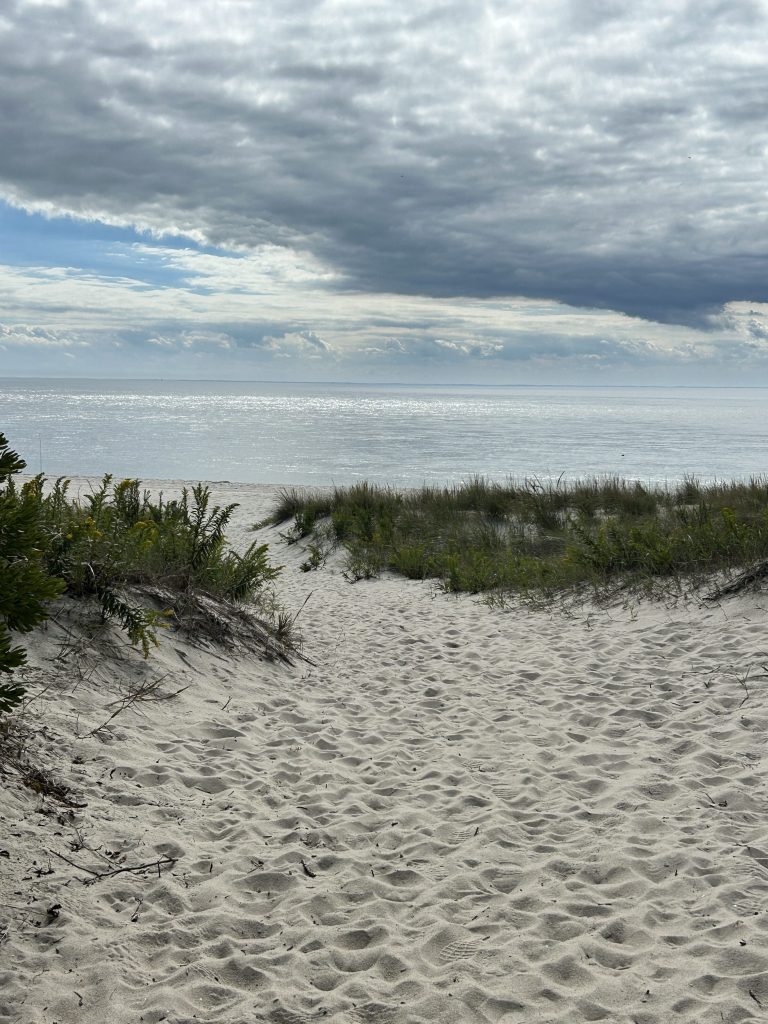
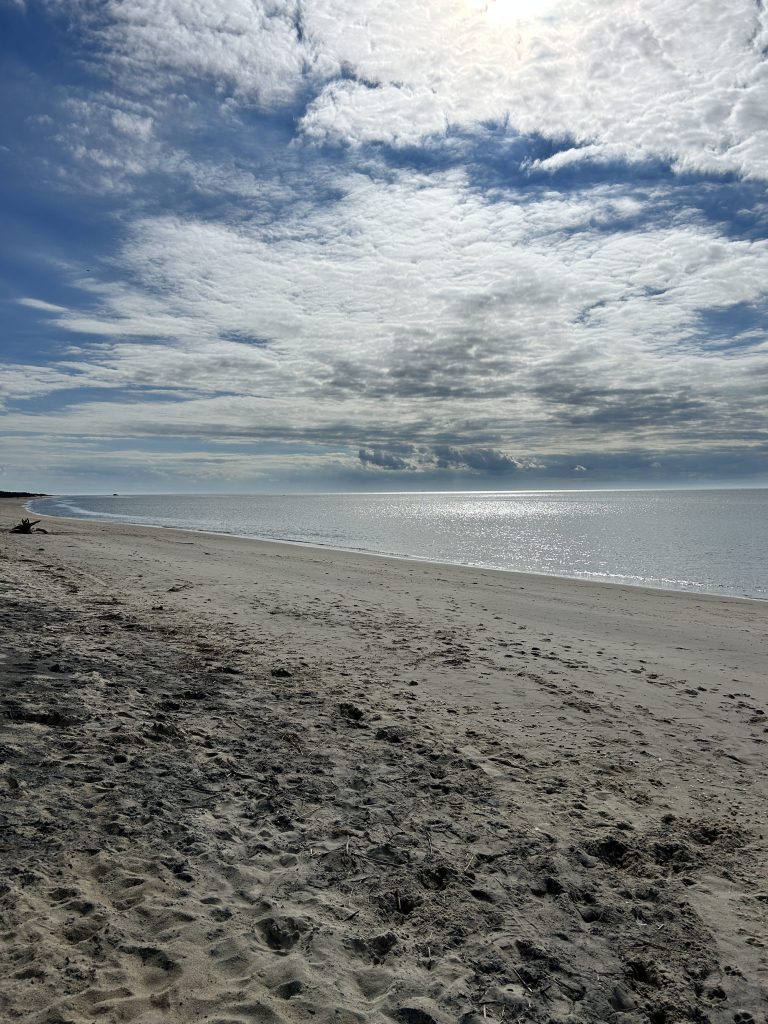
- Atlantic Ocean Beach in Cape May
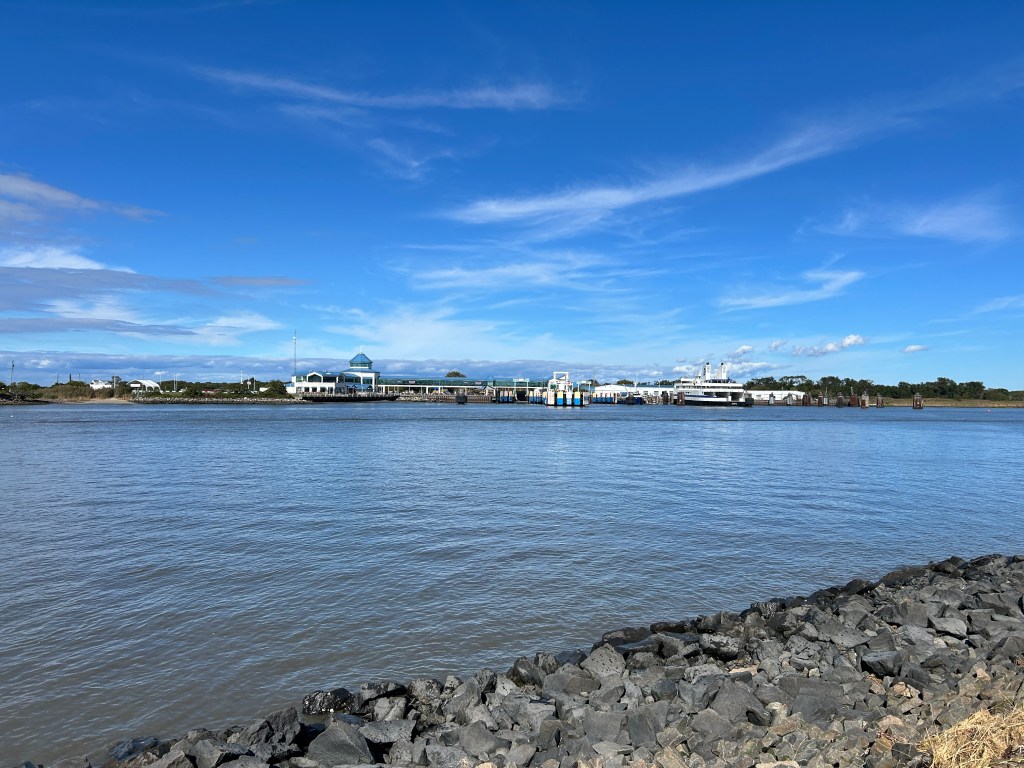
- Across the canal from the Cape May/Lewes Ferry (which we took a few days later)
- More Cape May beach
We also spent a morning on our favorite local beach (Island Beach State Park) to collect clam shells. My husband loves to make “Stuffies” and always needs a new supply of clam shells. If you’re from Rhode Island you know exactly what I mean. For those of us that aren’t ~ Rhode Island stuffies are large, traditional New England stuffed quahog clams baked on the half shell with chopped clam meat, breadcrumbs, aromatics, and often spicy Portuguese sausage. Real Portuguese chorice isn’t available here~ so he ordered it online and had it shipped heer on ice so he could make them for my birthday last week!
Next 6 photos at our hometown beach~ Island Beach State Park
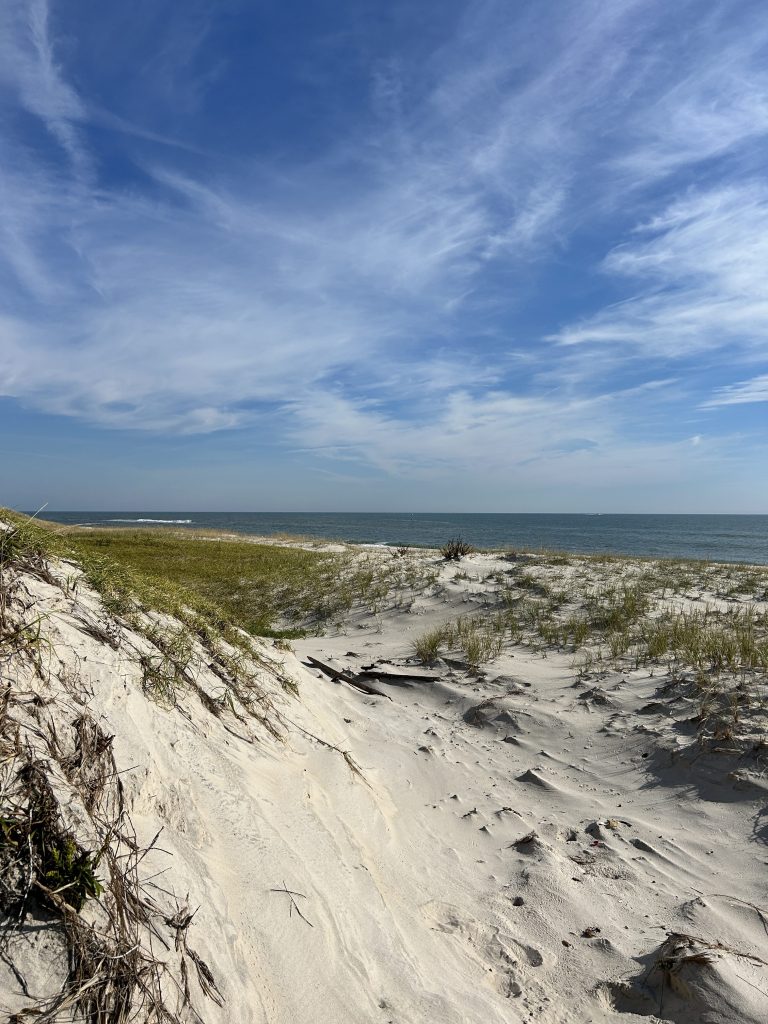
- Dunes with newly planted sea grass
- Calm ocean (compared to the week prior!)
- Collecting clam shells
- Some nice waves coming in!
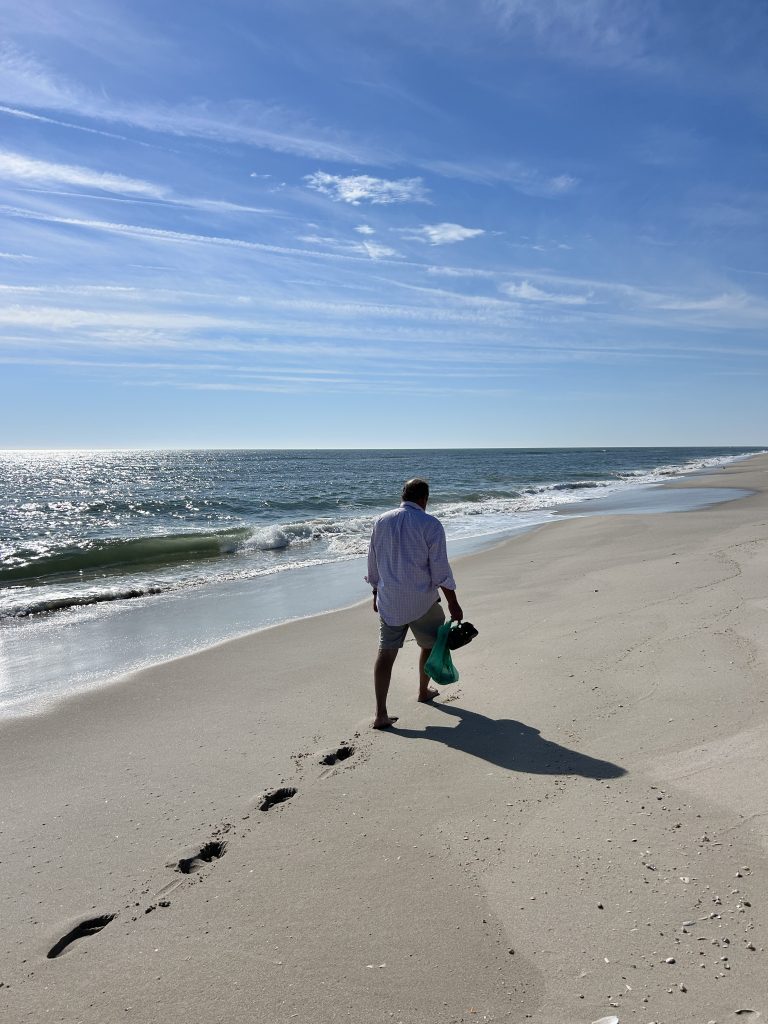
- My husband could walk for hours on the beach
- More good waves!
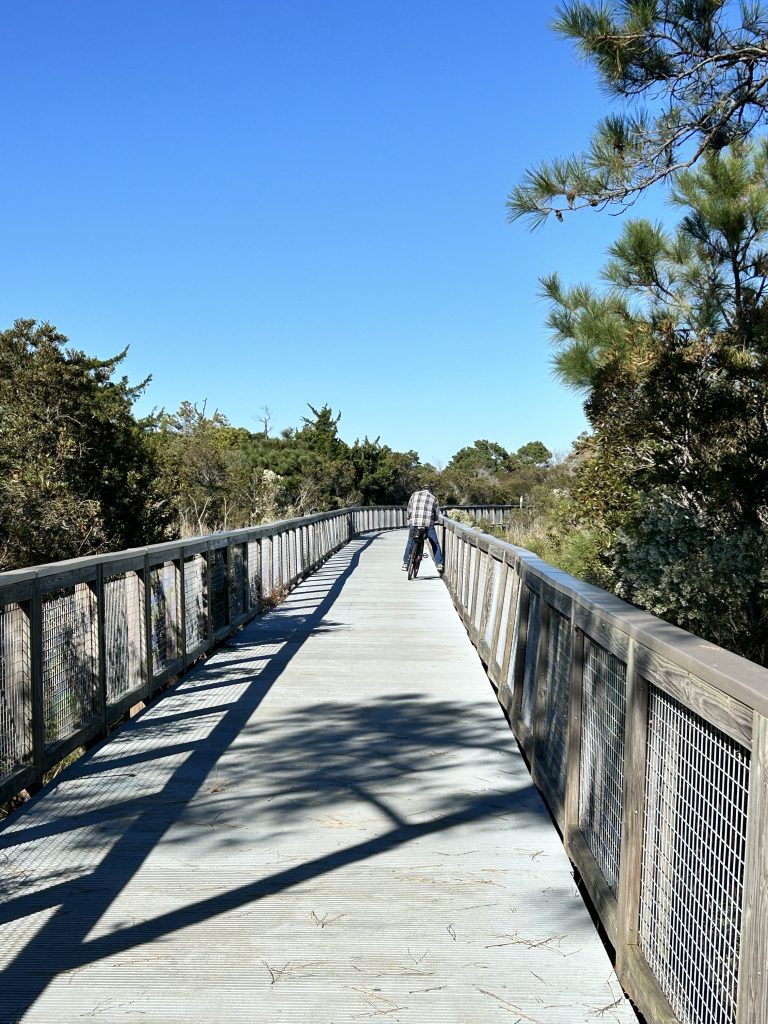
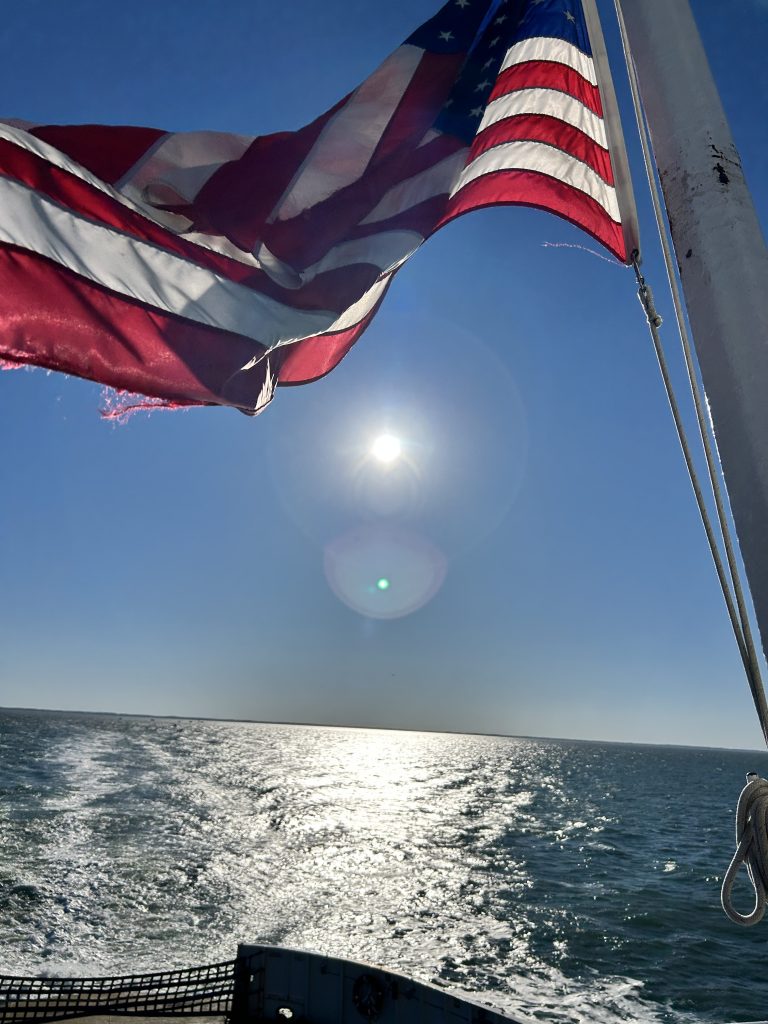
We headed down to Cape May a second time~ but this time we went to the Cape May~Lewes Ferry. We went with just our bikes on the 90 minute ferry ride across the Delaware Bay into Lewes, DE. We rode a beautiful trail (one of our favorites) into Rehoboth Beach for lunch and ice cream and then back to the ferry to NJ! It was a long day~ but also a lot of fun and the weather was gorgeous!
Last 6 photos on the Cape May Ferry and over in Lewes, Delaware
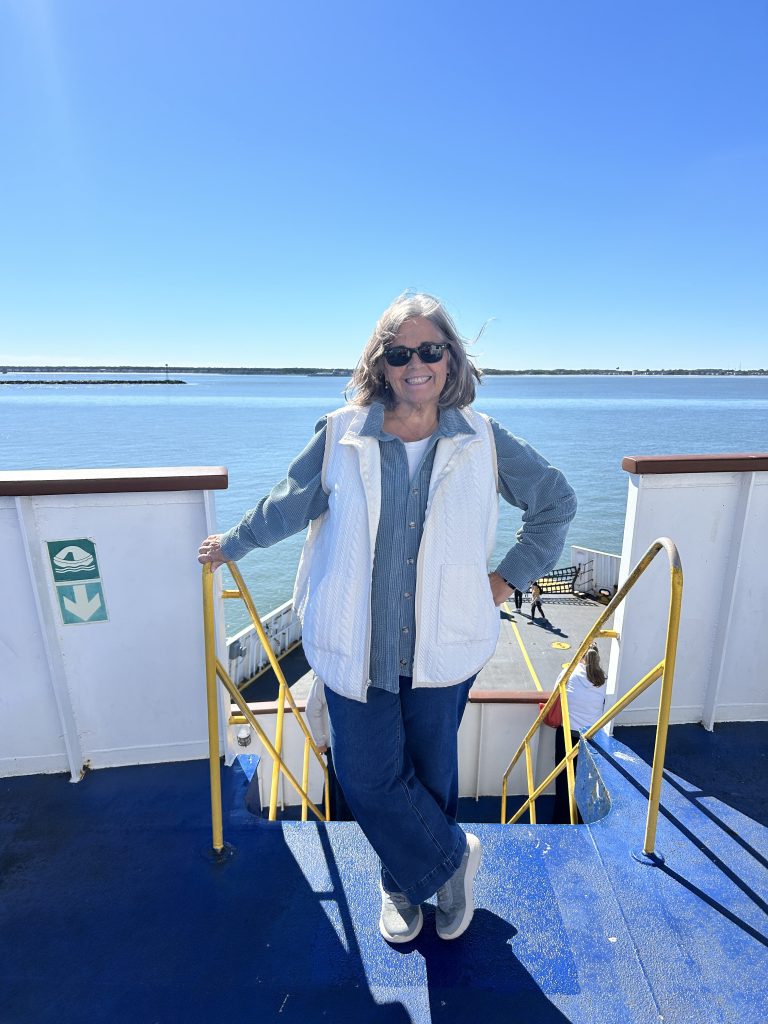
- On the ferry~ wearing lots of LN patterns!
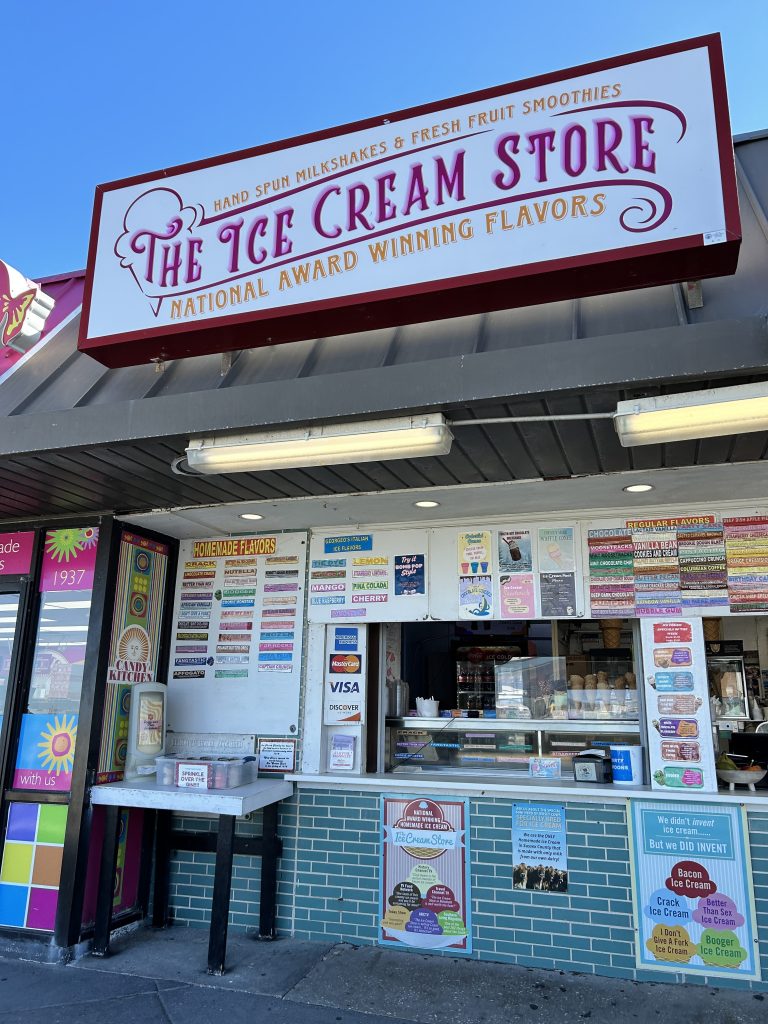
- One of my favorite spots for Ice Cream in Rehoboth Beach
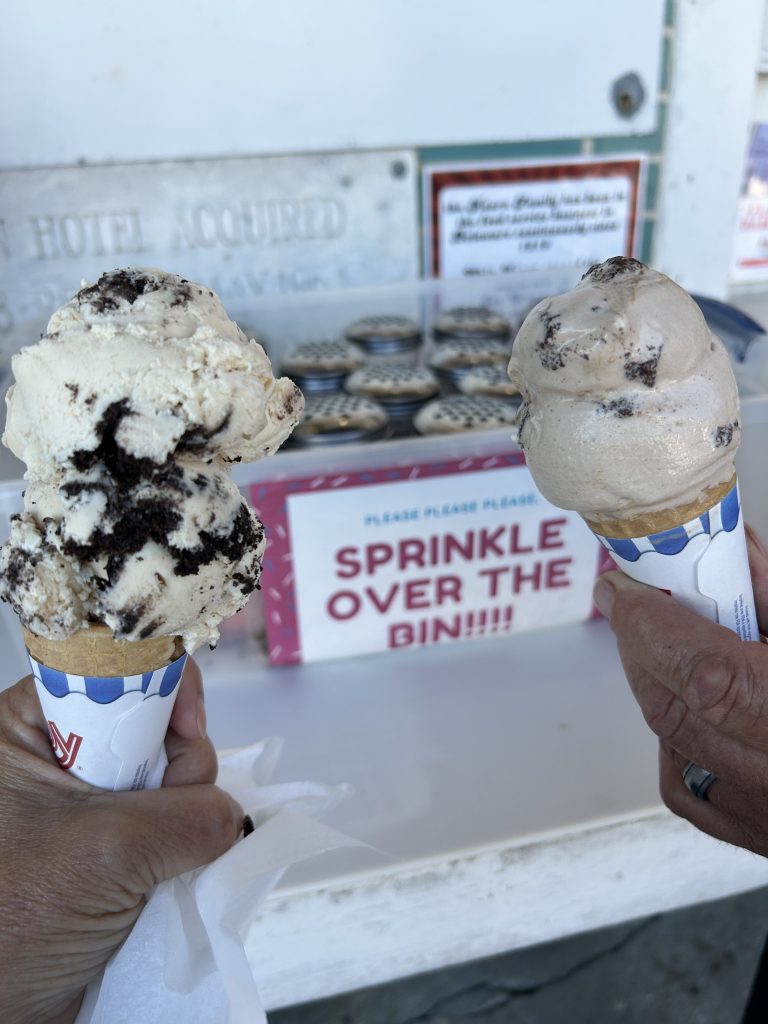
- Peanut Butter Oreo for me!
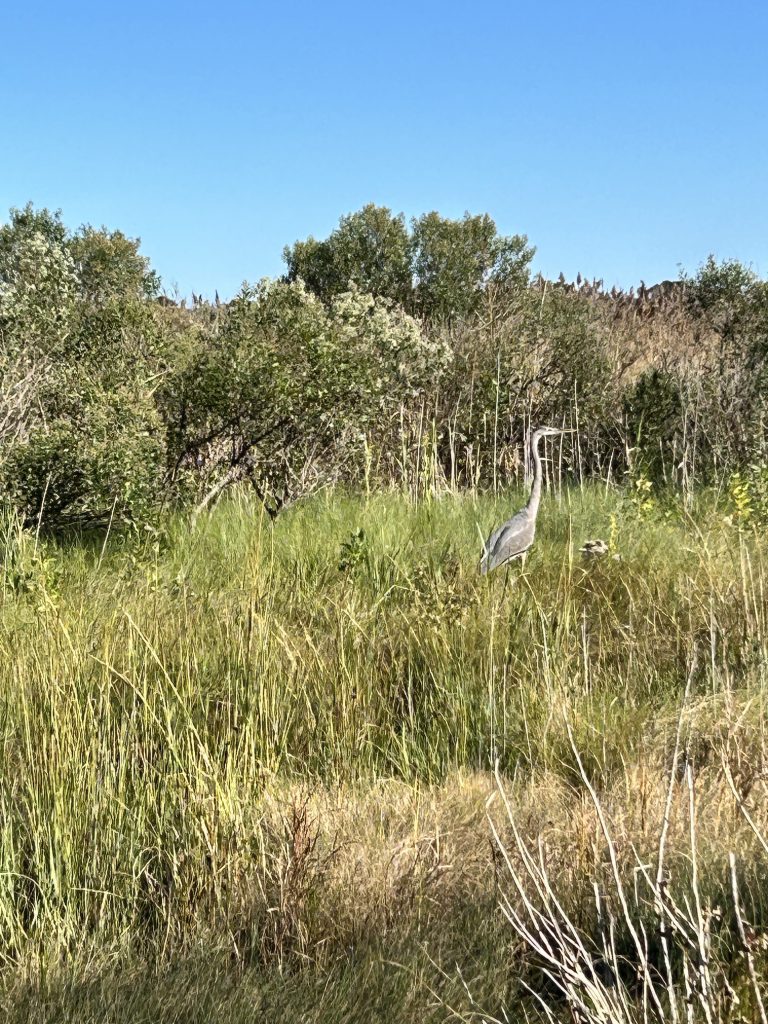
- A Heron along the bike trail
- Raised path through Cape Henlopen State Park, Lewes, DE
- On the ferry back to NJ!